
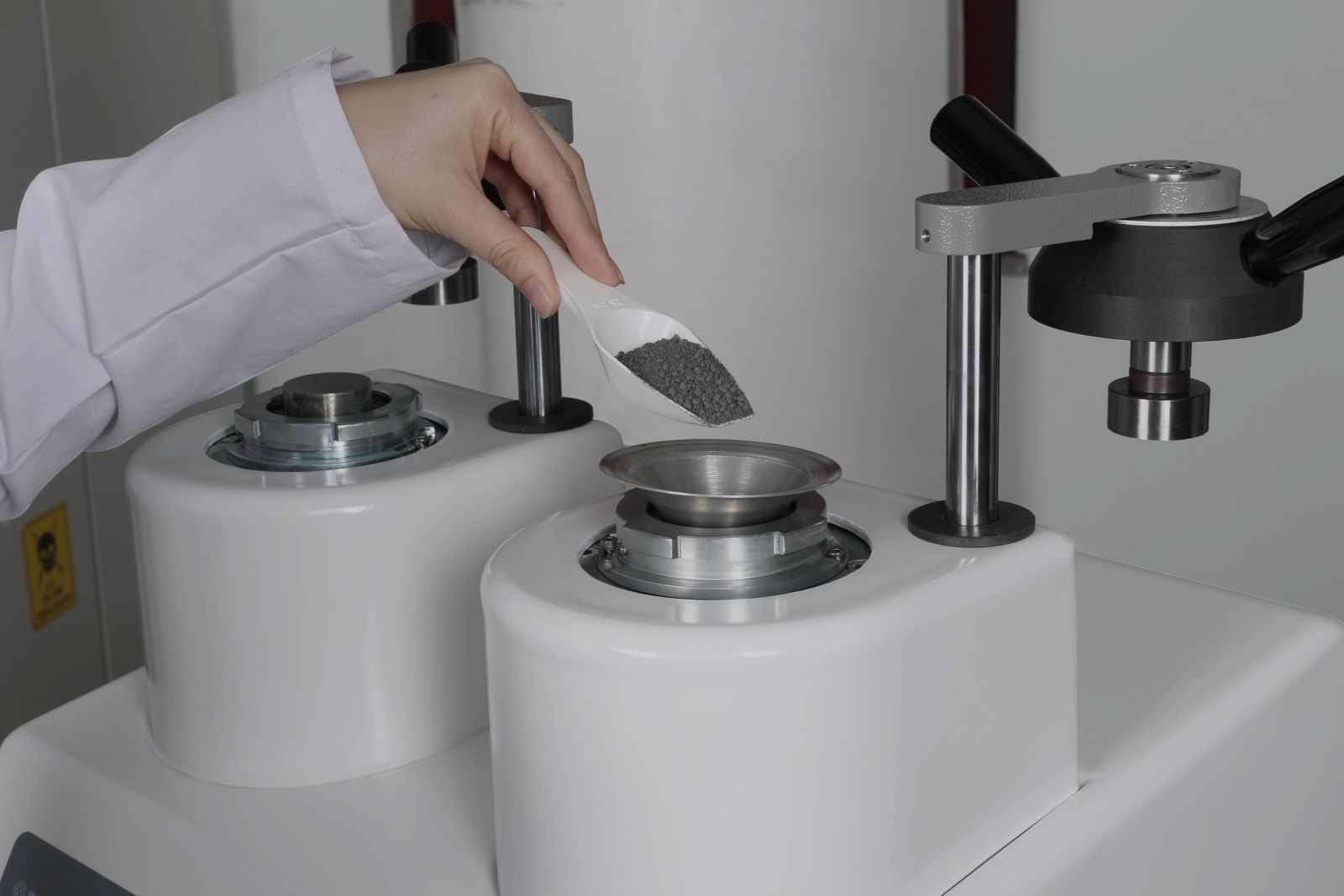
Walk through a busy metallography lab at the end of a shift and the evidence is right there in the bins: stacks of used abrasive discs, half-spent polishing cloths, resin cups that never quite got filled to the right ratio, and cut-off wheels retired long before they were actually worn out. None of this is […]

A cross-country pipeline weld doesn’t fit on a lab bench. Neither does a wind turbine tower section sitting sixty meters up, or a wing spar bolted into an aircraft grounded on a hangar floor. Yet the question inspectors ask about all three is the same one they’d ask about a coupon cut in a machine […]

Ask an experienced hardness tester what the hardest part of the job is, and the answer is rarely the test itself. It’s the measurement afterward: squinting through an eyepiece, lining up a filar line against the edge of a Vickers indent, deciding where exactly a diagonal ends when the indent is slightly out of focus […]
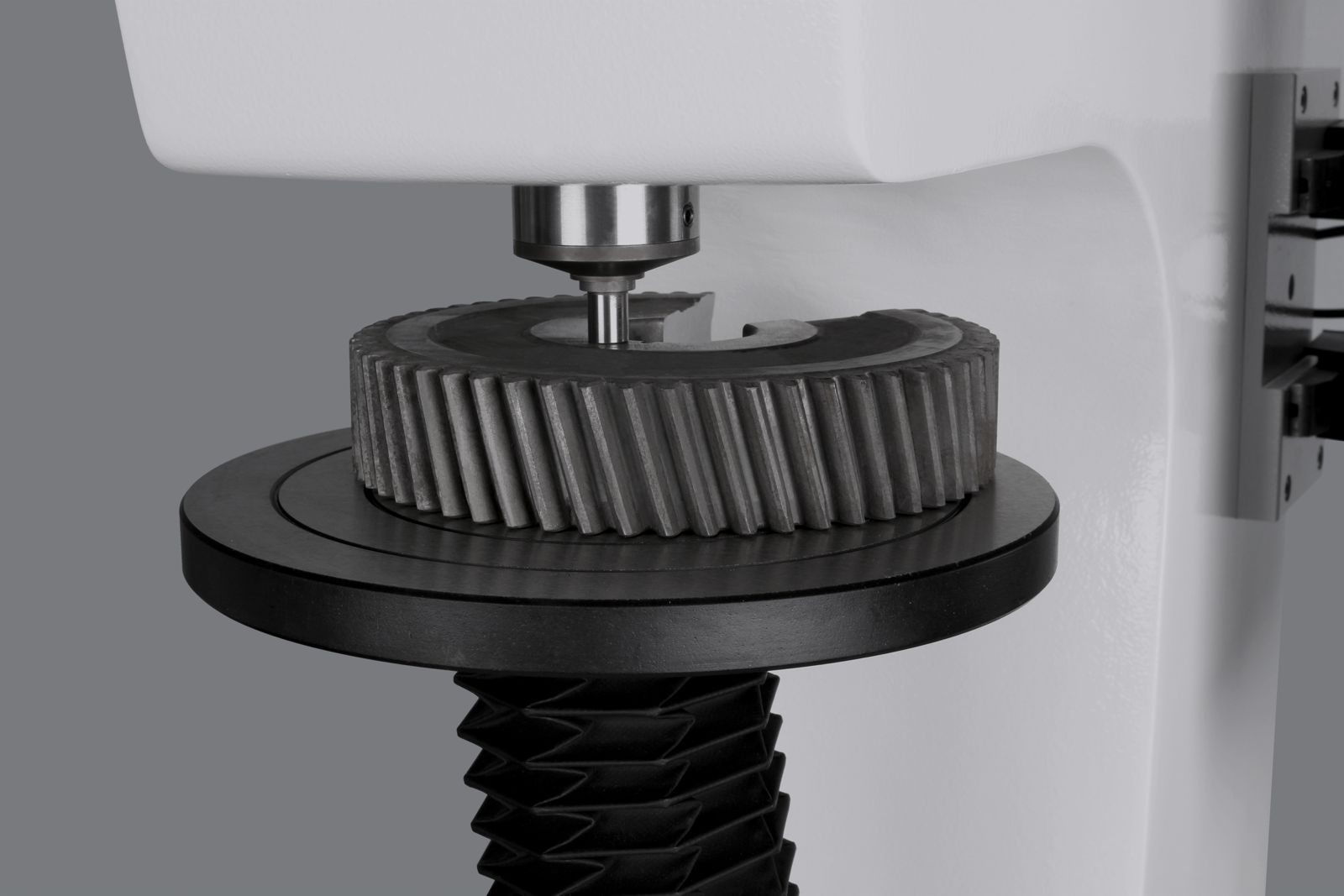
Hardness is one of the most routinely measured mechanical properties in industrial materials characterization — yet it is also one of the most easily misapplied. The term ‘hardness’ does not describe a single intrinsic material property but rather the resistance of a surface to plastic deformation under a defined indentation geometry, load, and dwell time. […]
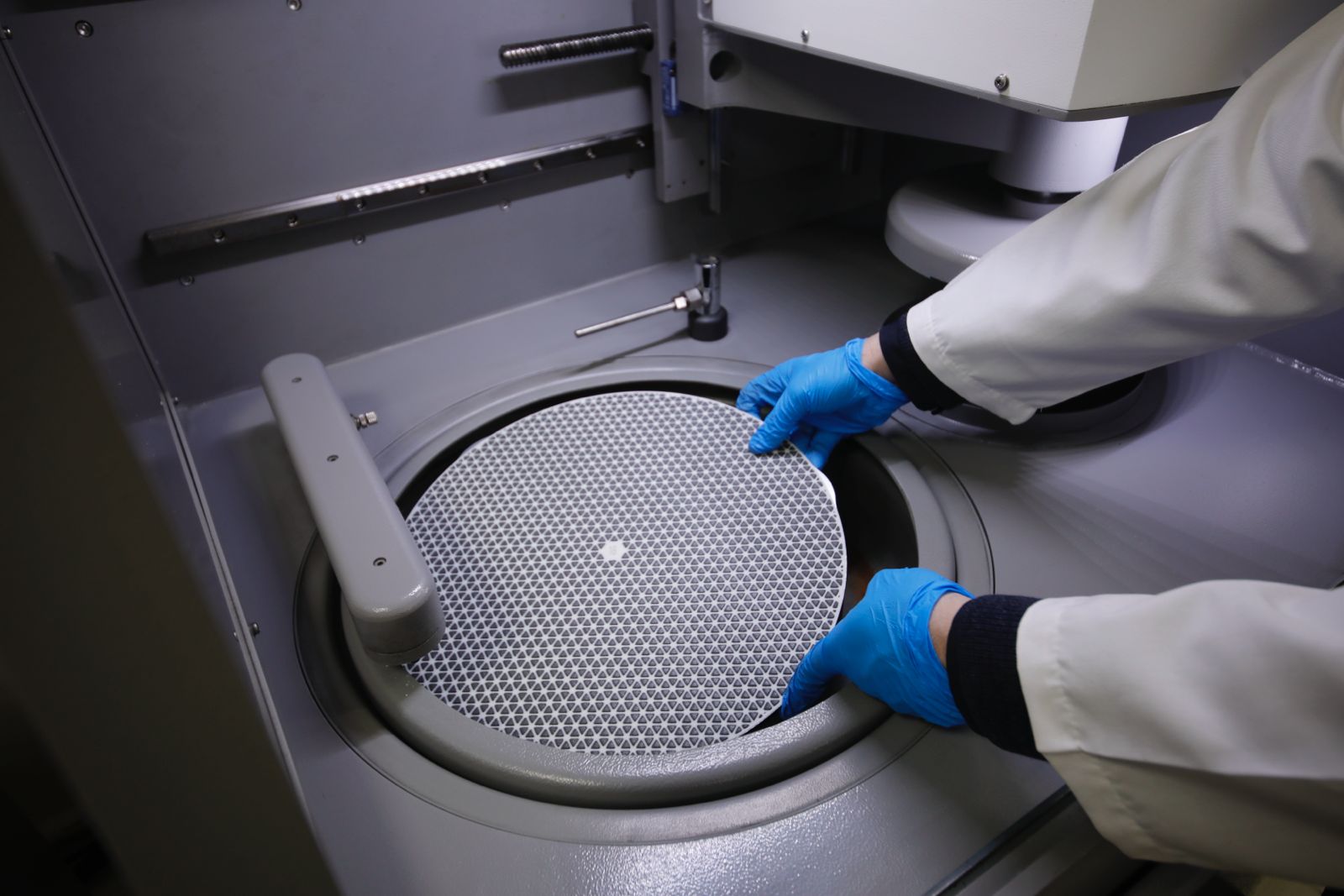
Metallography has long been the foundation of materials science — a discipline that gives engineers and researchers an unfiltered view into a material’s microstructure, phase composition, grain boundaries, and defect patterns. For decades, producing a reliable metallographic sample required considerable manual skill: grinding, polishing, etching, and microscopic inspection each depended on the experience of the […]
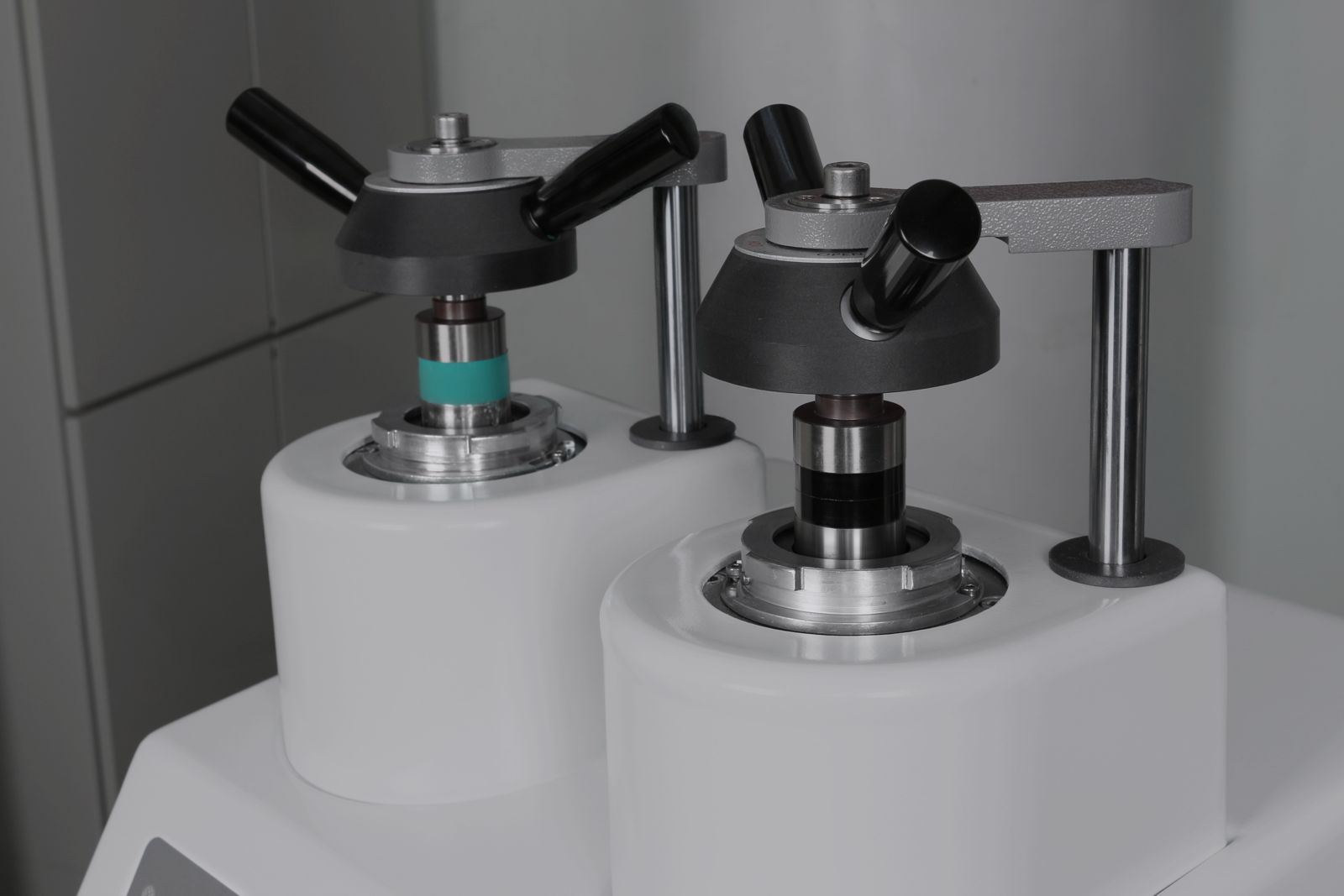
Of all the steps in the metallographic preparation chain, mounting is the one most frequently underestimated. It occupies a few minutes between sectioning and grinding, produces no immediately visible microstructural result, and in many laboratories is treated as a procedural formality rather than a critical quality gate. This perception is a mistake. The quality of […]

Metallography of superalloys requires specialized preparation techniques that standard metallographic preparation techniques cannot achieve. Aerospace components, such as turbine blades, are subject to extreme operating conditions, and analysis of the microstructure of the superalloys used in their construction is entirely dependent on artifact-free preparation techniques. In working with superalloys, you will face unique challenges in […]
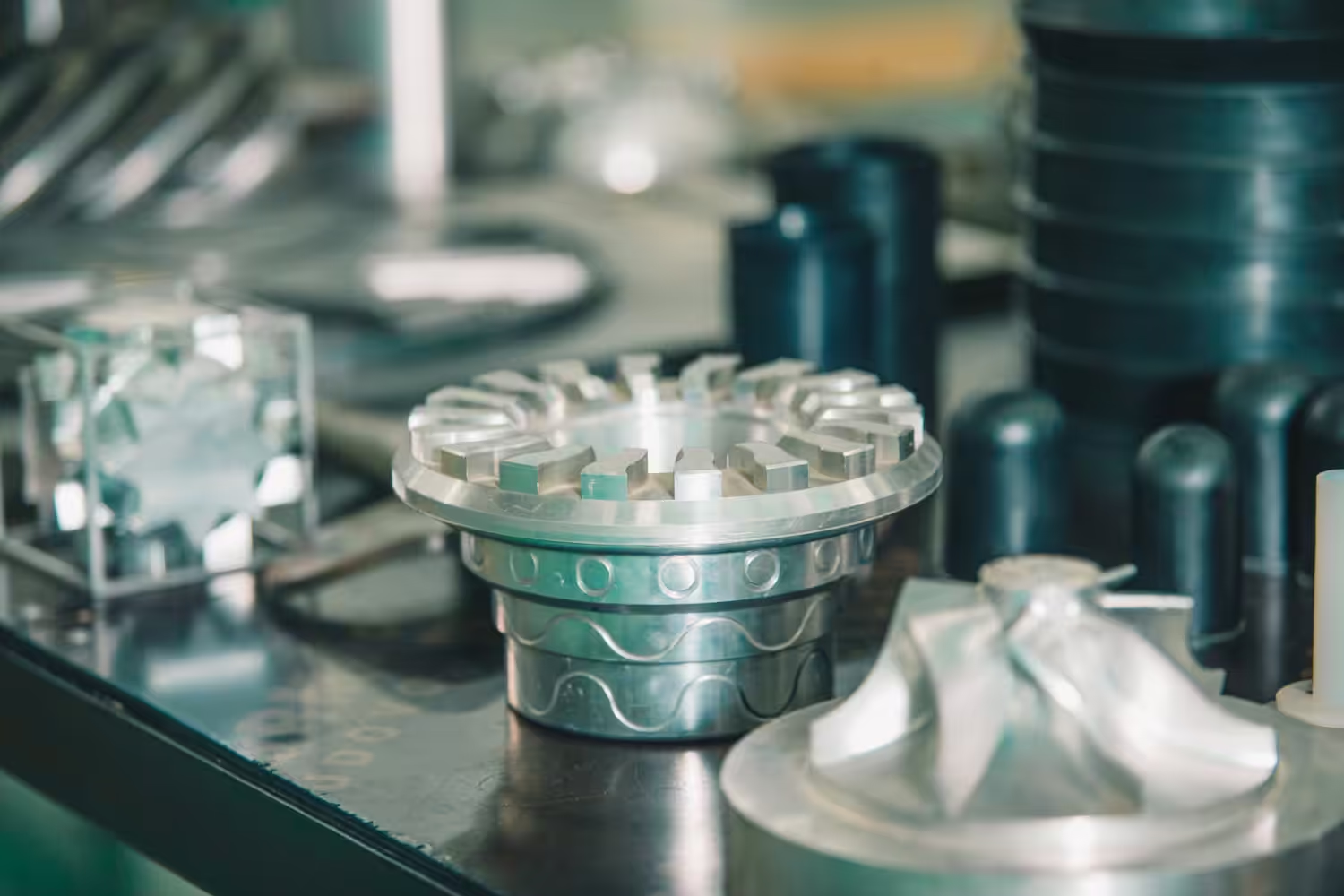
When it comes to sample preparation for additive manufacturing, you need to ensure that you avoid false positives and accurately identify defects. Unlike traditionally manufactured metal parts, 3D printing of metal components involves unique microstructure and inherent porosity characteristics. Thus, it is essential to use appropriate metallography techniques for 3D printing of metal components. This […]
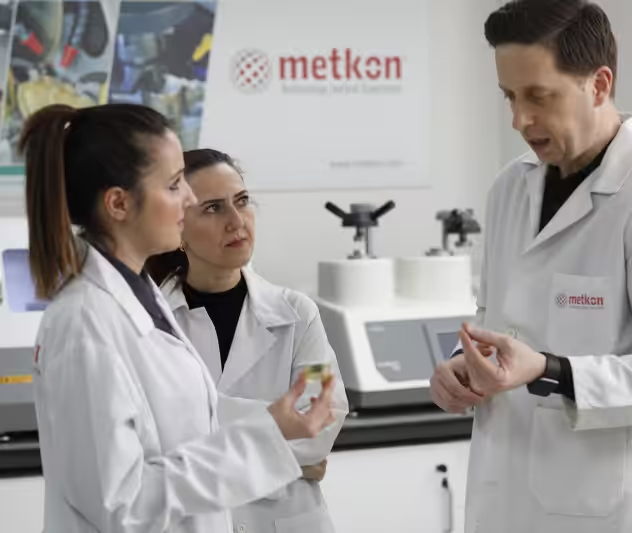
Metallographic sample preparation is the backbone of microstructure examinations and quality assessments in the field of material science. The quality of each step in the metallographic process is a key factor in how clearly you can ‘see’ the true composition of the metal you’re working with. This article will take you through the entire metallographic […]
Metallographic preparation of titanium and its alloys faces unique difficulties that set it apart from the conventional metals used in industry. Its hexagonal close-packed crystal structure causes deformation twinning in titanium, and its surface chemistry causes smearing and embedding during grinding and polishing processes. Specialized knowledge is essential to ensure proper microstructural analysis in titanium […]
