
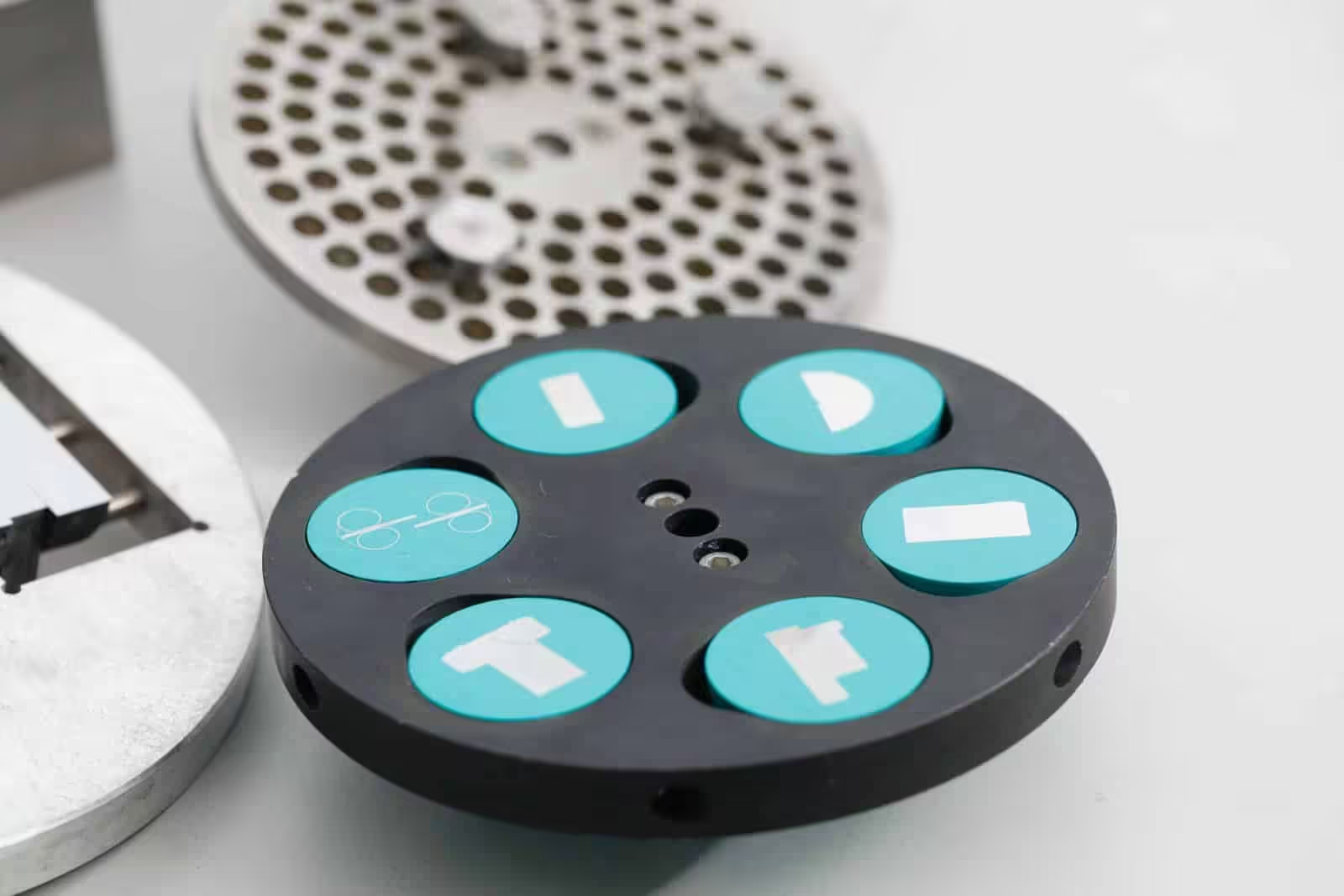
Did you know that over 80% of metallographic analysis errors are due to improper sample mounting? The metallographic hot mounting press remains one of the most significant pieces of equipment in any materials testing laboratory, directly affecting the quality and validity of microstructural examinations. When we prepare metallographic specimens, mounting well paves the way for […]
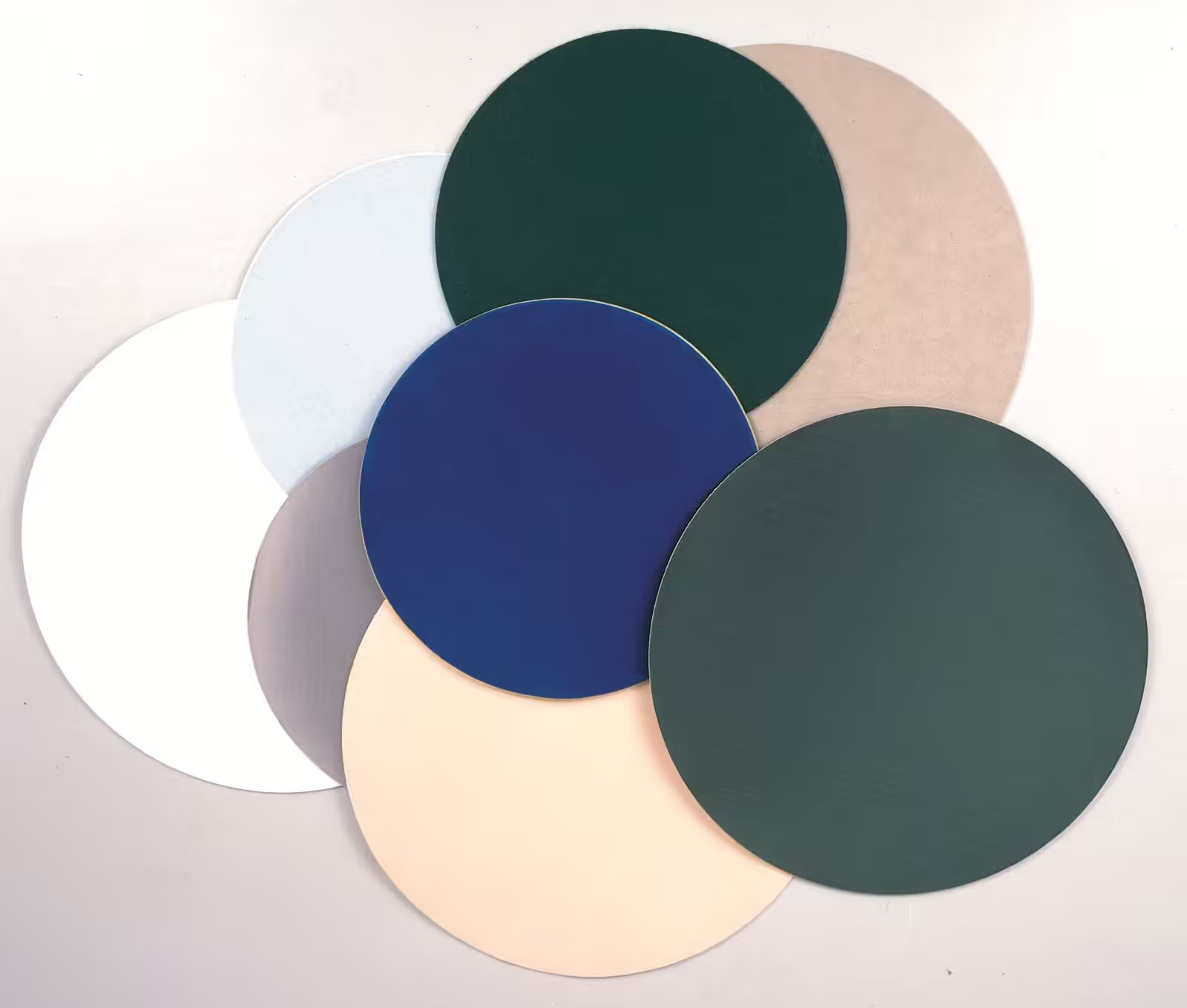
Have you ever had difficulties obtaining that perfect mirror finish on your metallurgical samples? Metallographic polishing is an art and a science that can either make or break your material analysis results. In our lab, we’ve discovered that as much as 80% of microstructural analysis errors are due to incorrect sample preparation techniques. Achieving a […]
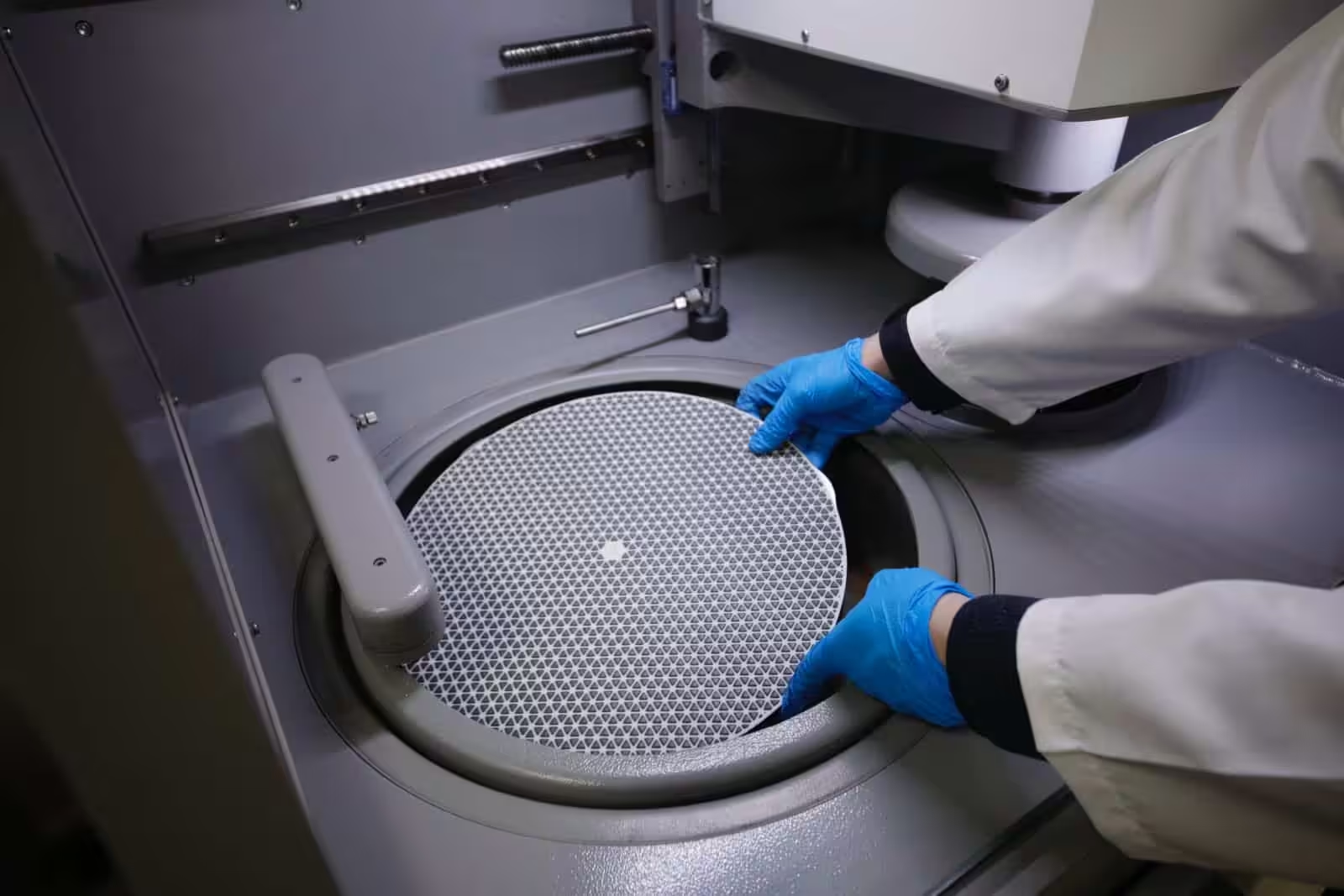
Metallographic grinding remains the secret to effective microstructural analysis, yet labs get bogged down in inconsistent results and sample defects. Poor grinding procedures can render your entire analysis useless, creating misleading artefacts and wasting valuable research time. We’ve observed that even experienced metallographers tend to overlook important grinding parameters that make a significant difference to […]
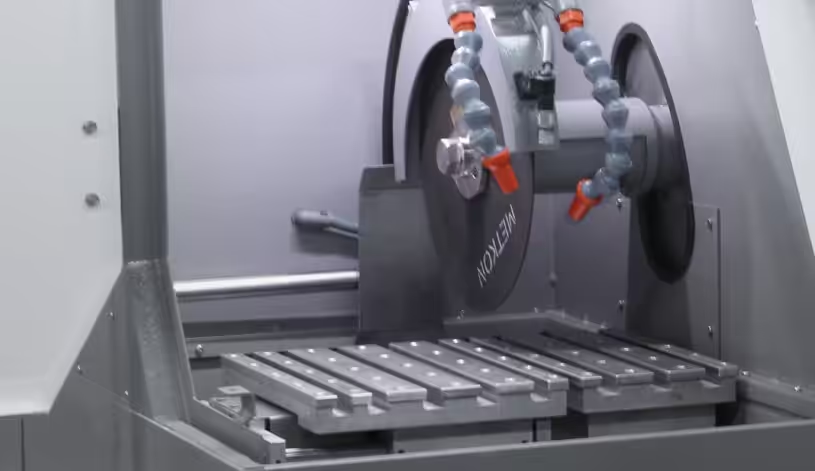
The right metallographic cutting machine can mean the difference between perfect samples and unusable specimens. Lab professionals often struggle with burn marks, micro-cracks, and deformation. These problems compromise analytical results and waste both time and materials. Your metallographic sample preparation success depends on effective cutting techniques. The final results depend heavily on your choice of […]
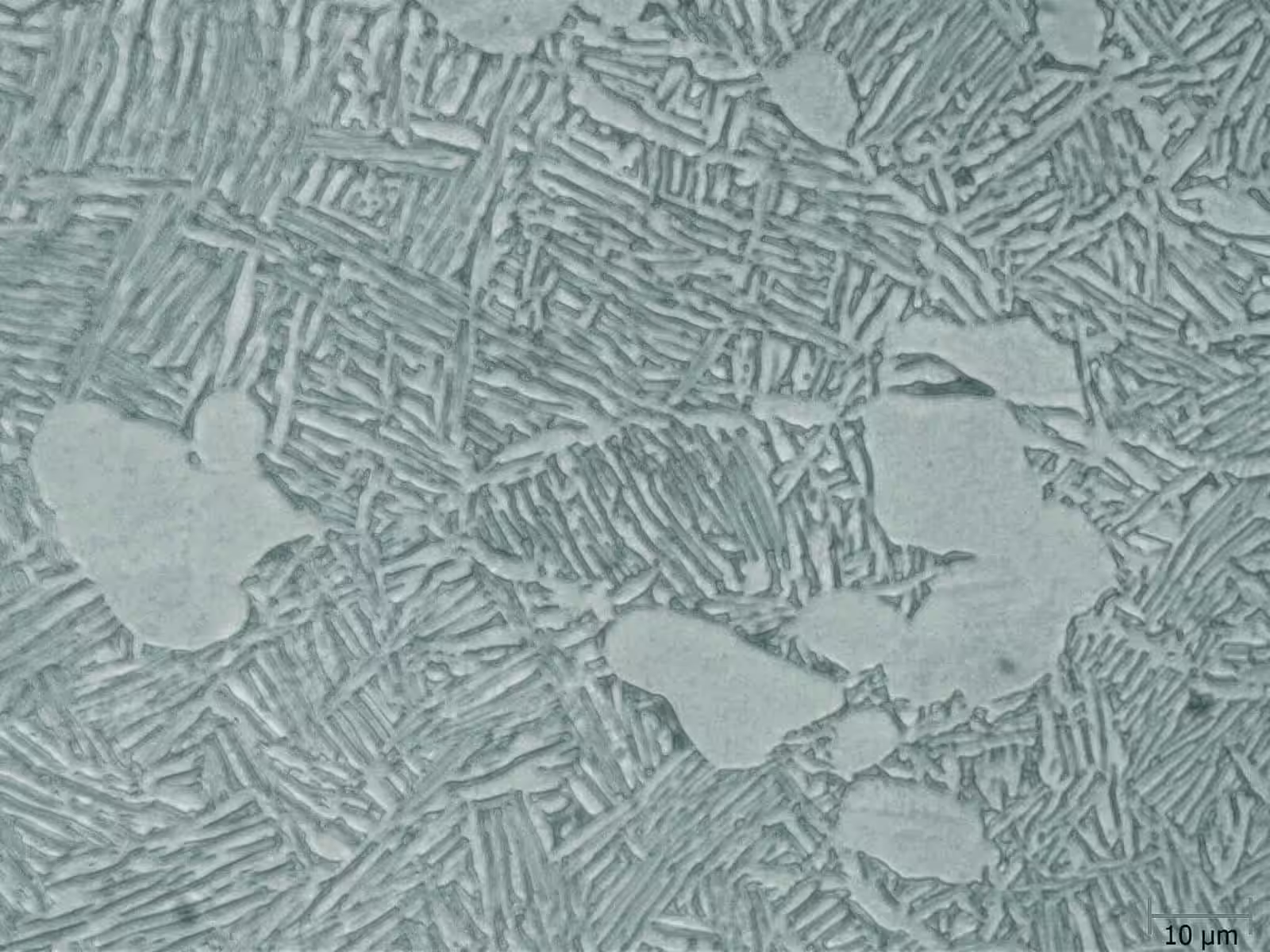
Metallographic etching reveals concealed microstructures in metals that recount the entire tale of material performance and properties. This essential technique is utilized daily in materials laboratories. The procedure brings to light grain boundaries, phases, and inclusions that would otherwise remain invisible. Even the most sophisticated microscopy cannot discern important microstructural details without etching. Such details […]

Correct materials analysis and characterization relies on correct metallographic sample preparation. Improper preparation can result in inaccurate results that misrepresent a material’s actual microstructure. Certain materials pose special problems in preparation. As an example, magnesium alloys are difficult to prepare since their low matrix hardness and harder precipitate phases cause relief problems. Additional safety considerations […]
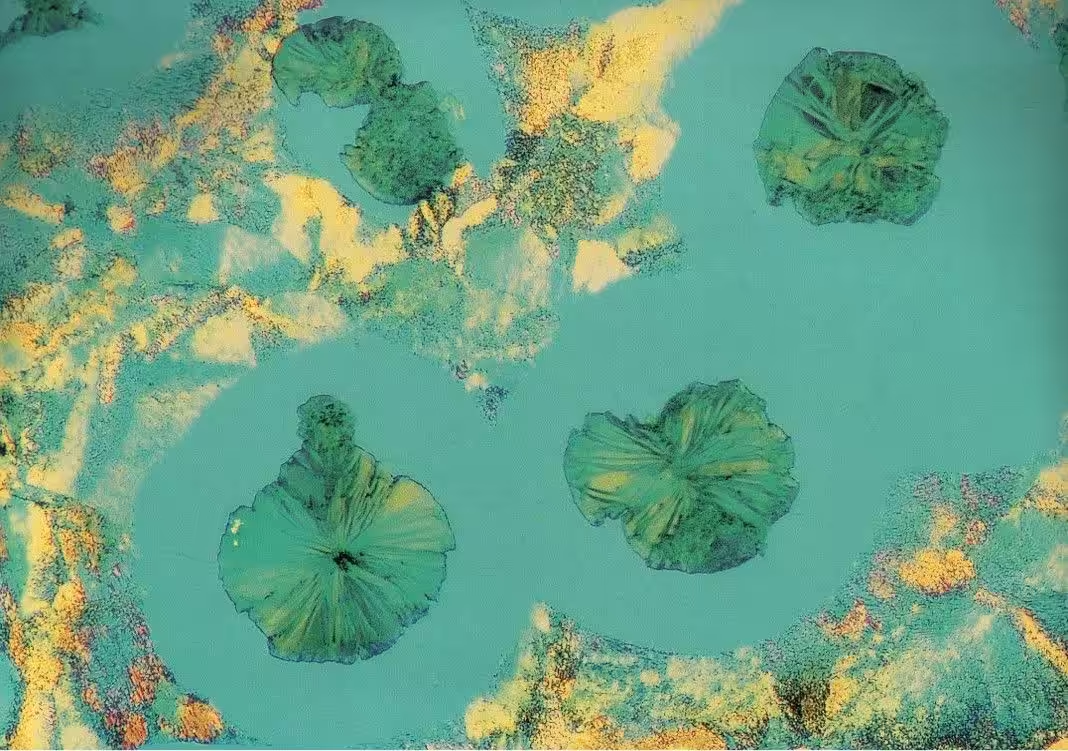
Metallography is a science and an art that examines the microstructure of metal and metal alloys. The history of metallography dates back to approximately 7000 BC when humans discovered that there existed a method of shaping metal through the use of fire. The early specialized discipline has evolved into an important discipline that reveals and […]
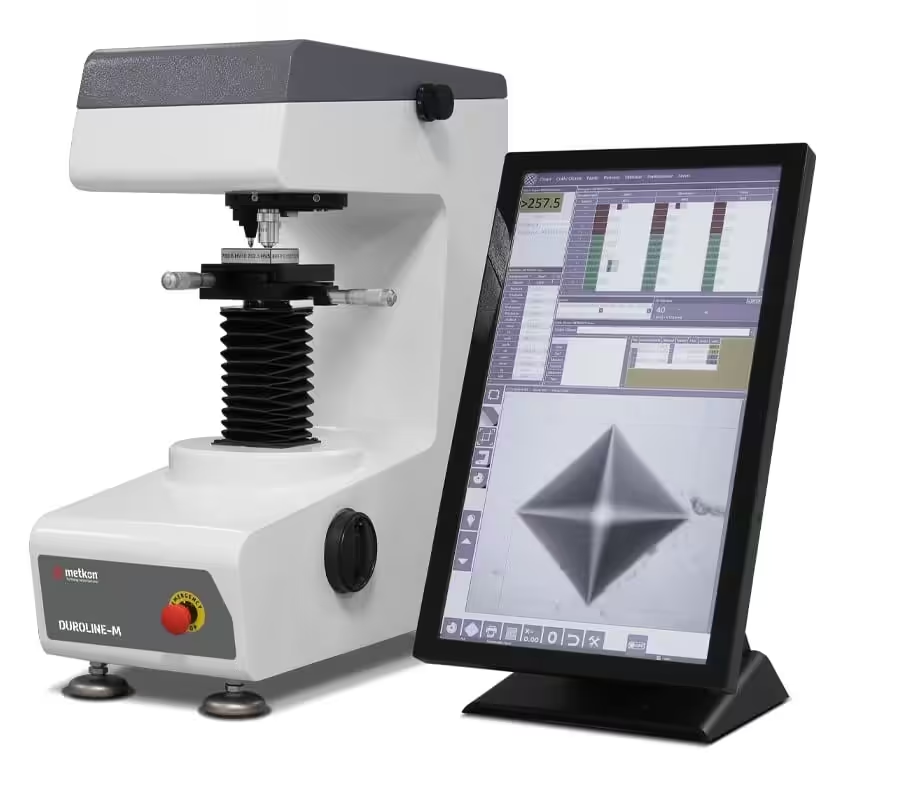
The Vickers hardness test was created in 1921 by George E. Sandland and Robert L. Smith of Vickers Ltd. One of the most versatile hardness testing techniques available today is this test. With one of the most comprehensive hardness testing scales available, it was developed as a substitute for the Brinell method and is currently […]
