
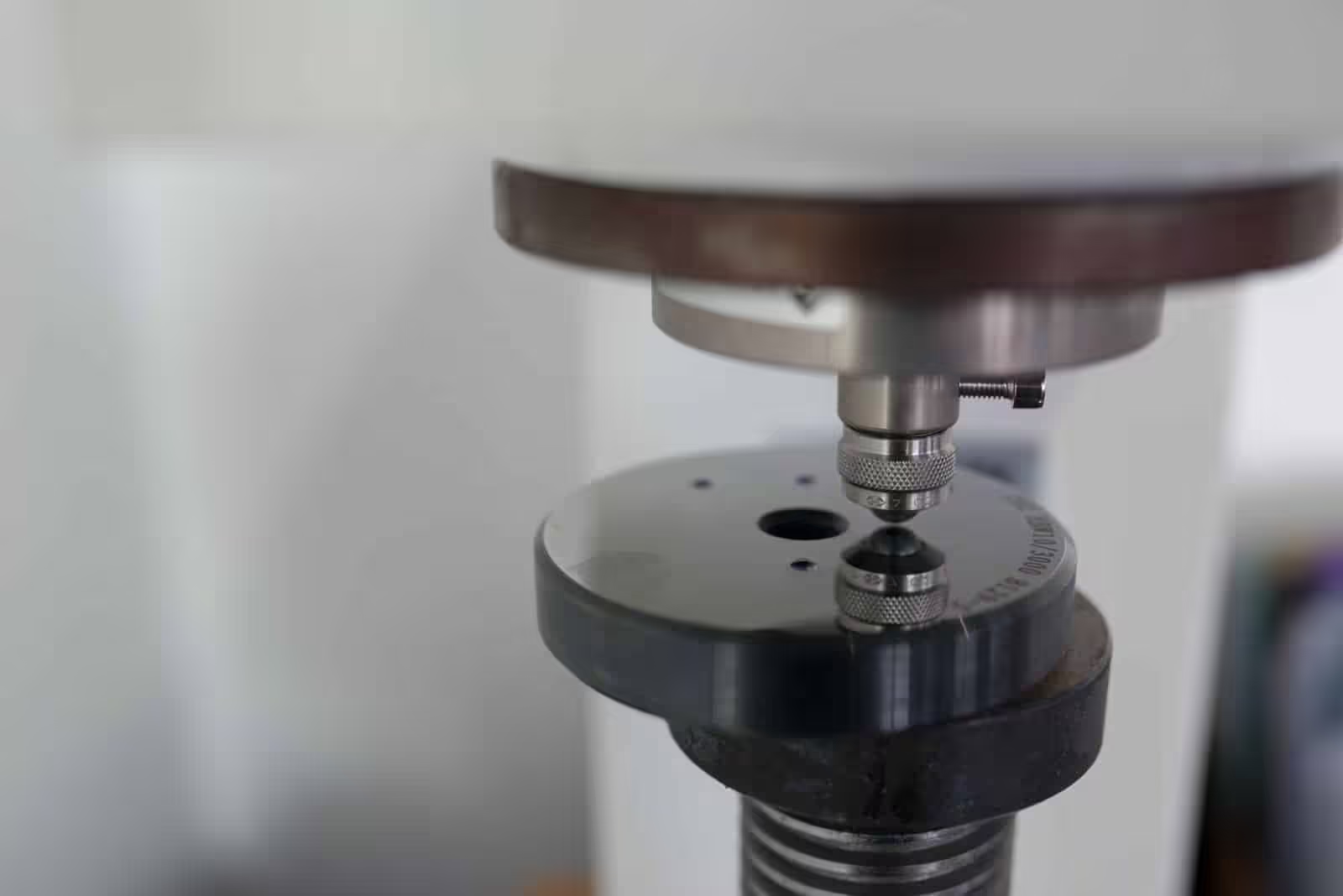
The Brinell hardness test is still one of the most reliable and accepted methods of measurement of material hardness in engineering. This basic testing protocol was developed over a century ago and is utilized in almost every manufacturing facility and remains the backbone of the quality control system. Brinell testing is used with considerable reliability […]
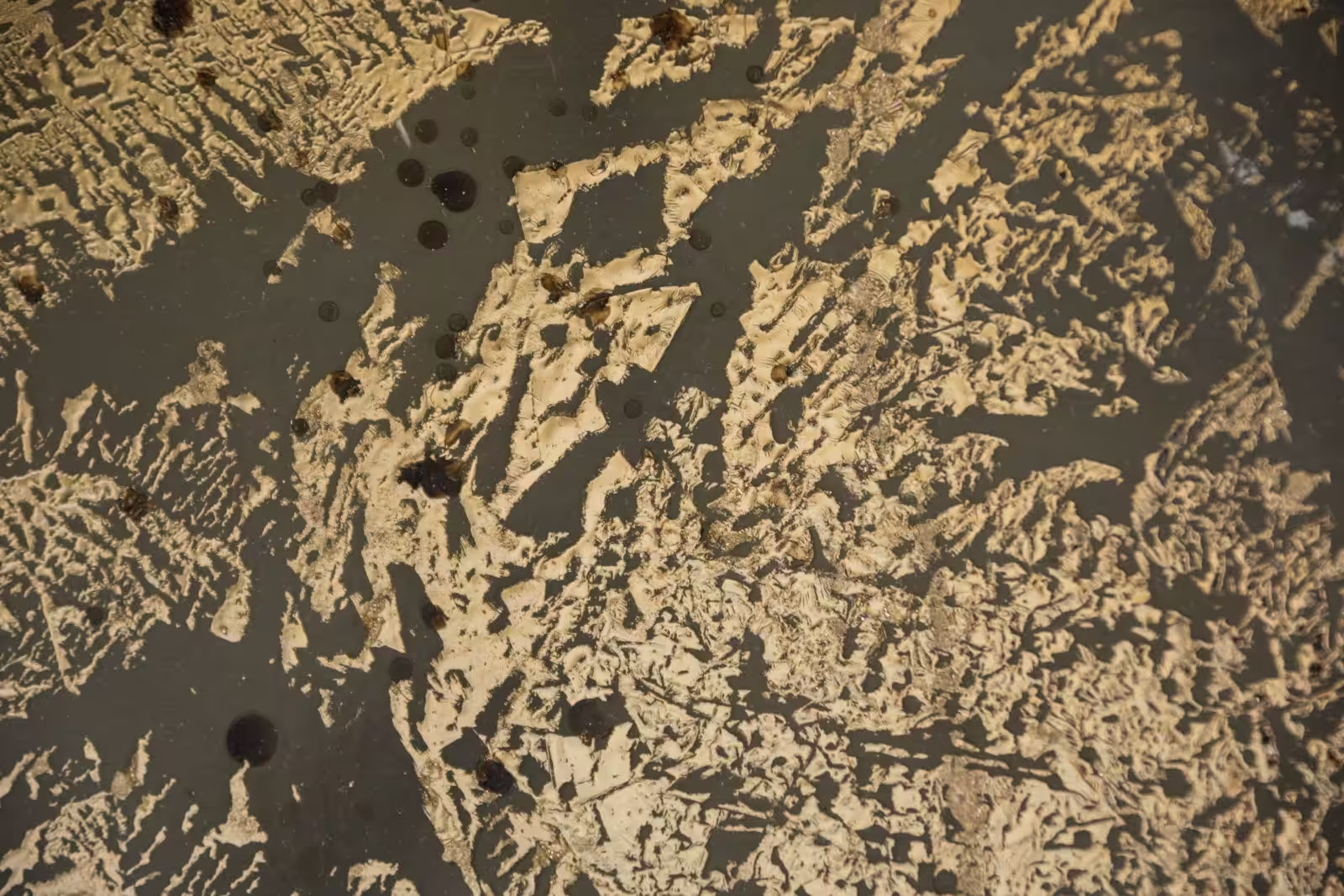
The narrative of stainless steel stretches beyond the glossy rust‑proof sheen most people instantly picture. Tucked beneath that shell lies a labyrinthine micro‑architecture—a mosaic of phases and grain boundaries—that dictates its strength, durability and how it performs across a staggering array of applications. Though it underpins everything from kitchen utensils, to sophisticated aerospace components its […]

Copper alloys continue to rank among the widely used metal systems in modern industry chiefly because they blend high electrical conductivity, with robust corrosion resistance and good formability. Still unveiling their character calls for a meticulous metallographic preparation routine that respects the alloys’ distinctive physical traits. The very ductility that makes these materials easy to […]
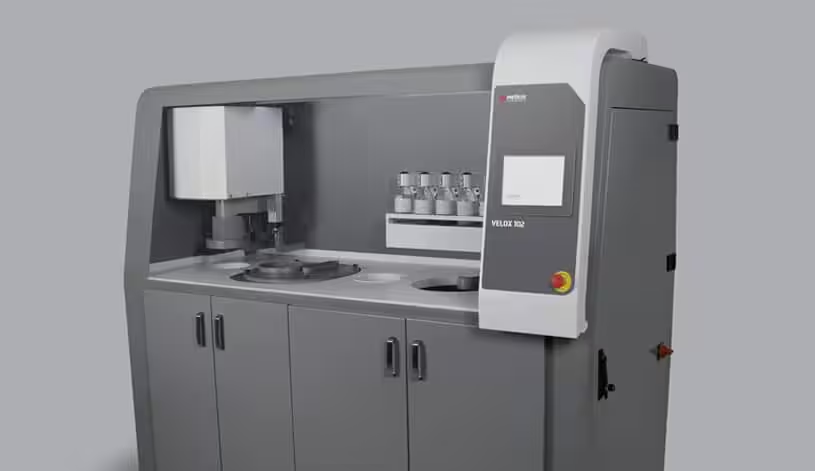
Picking the metallographic polishing machine often proves to be the hinge between catching vital microstructural nuances and letting them slip by unnoticed. Securing a mirror‑like finish on a specimen is non‑negotiable for precise metallographic analysis, especially when the focus falls on grain boundaries, phase distributions or subtle material flaws.. The sheer breadth of options—ranging from […]
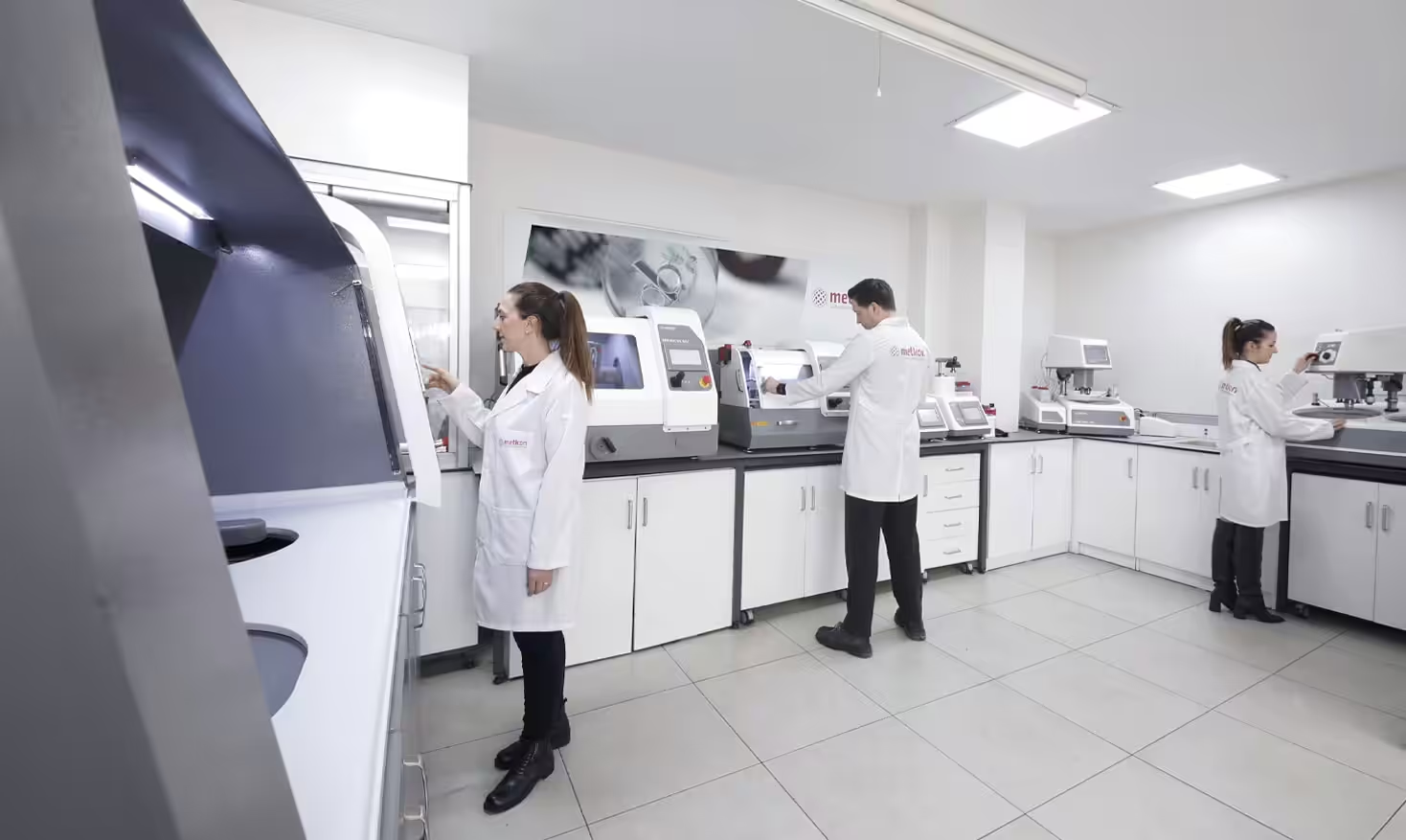
Metallographic sample preparation is essentially the cornerstone of any trustworthy materials analysis and characterization. When specimens aren’t prepared correctly the microstructures can be misread measurements become unreliable. The whole research can end up with faulty conclusions. Even though its importance is well recognized many labs still wrestle with results because their preparation techniques fall short. […]
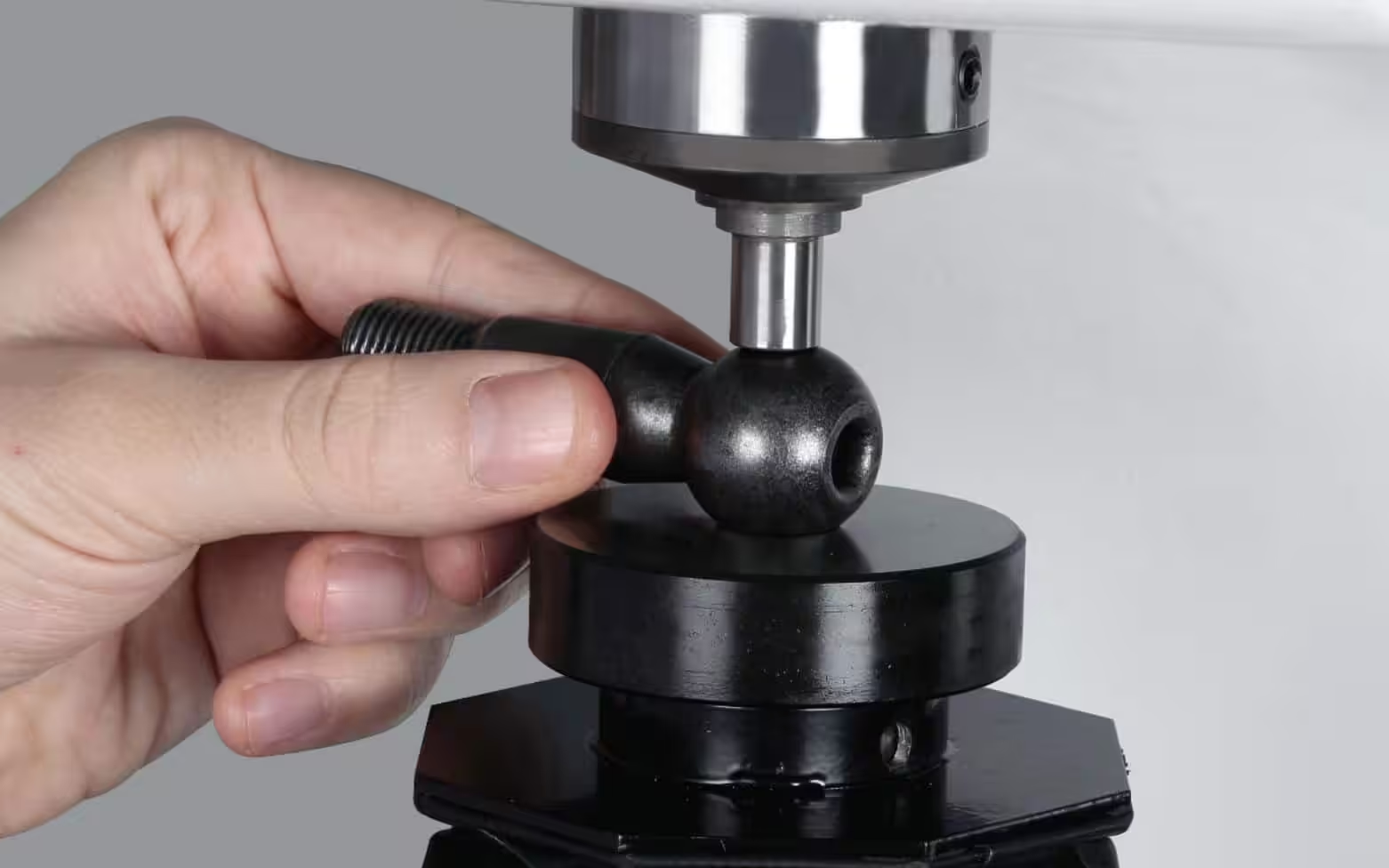
The Rockwell hardness test provides one of the most accurate means to determine hardness. The test contrasts how deep an indenter pushes underneath a great load as well as at a preload. Higher numbers indicate harder materials. Hardness quality knife blades constructed with very hard steel generally receive readings of between HRC 55-66 on the […]
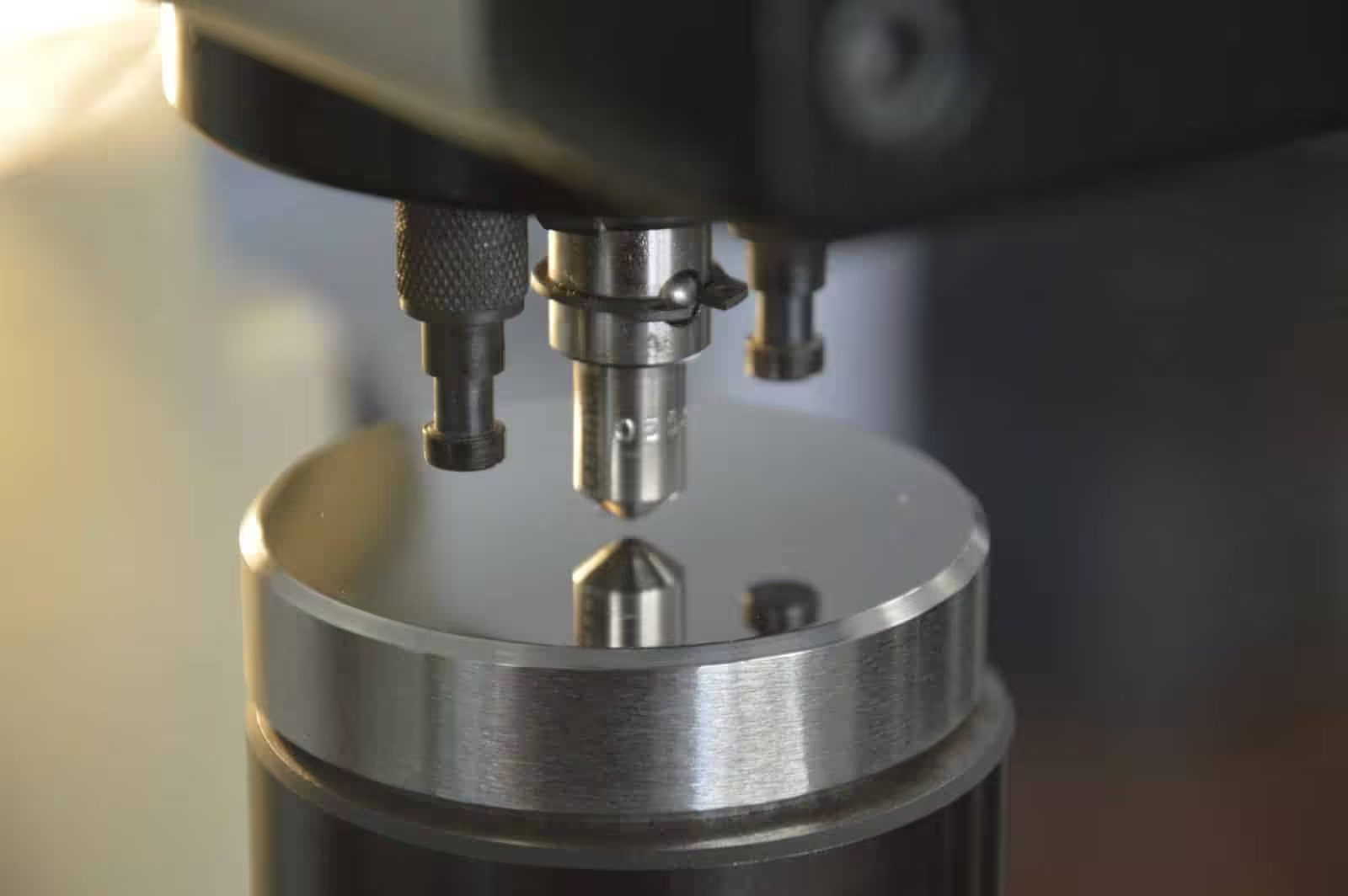
Hardness testing provides vital information about materials, but it can also be applied to help identify potential product failures. Whether for the screen on a smartphone or the skin of an airplane, how well a material does not bend or is resistant to bending underlies whether it’s appropriate for application. Hardness, unlike other mechanical properties, […]

It may seem that grinding and polishing are similar superficially, but in actuality, they accomplish very different results. Many professionals and enthusiasts mix up these words in usage, so their outcome is adversely affected. Whereas grinding aggressively removes material to shape or size, polishing focuses on refining surfaces so they get smoother finishes with more […]
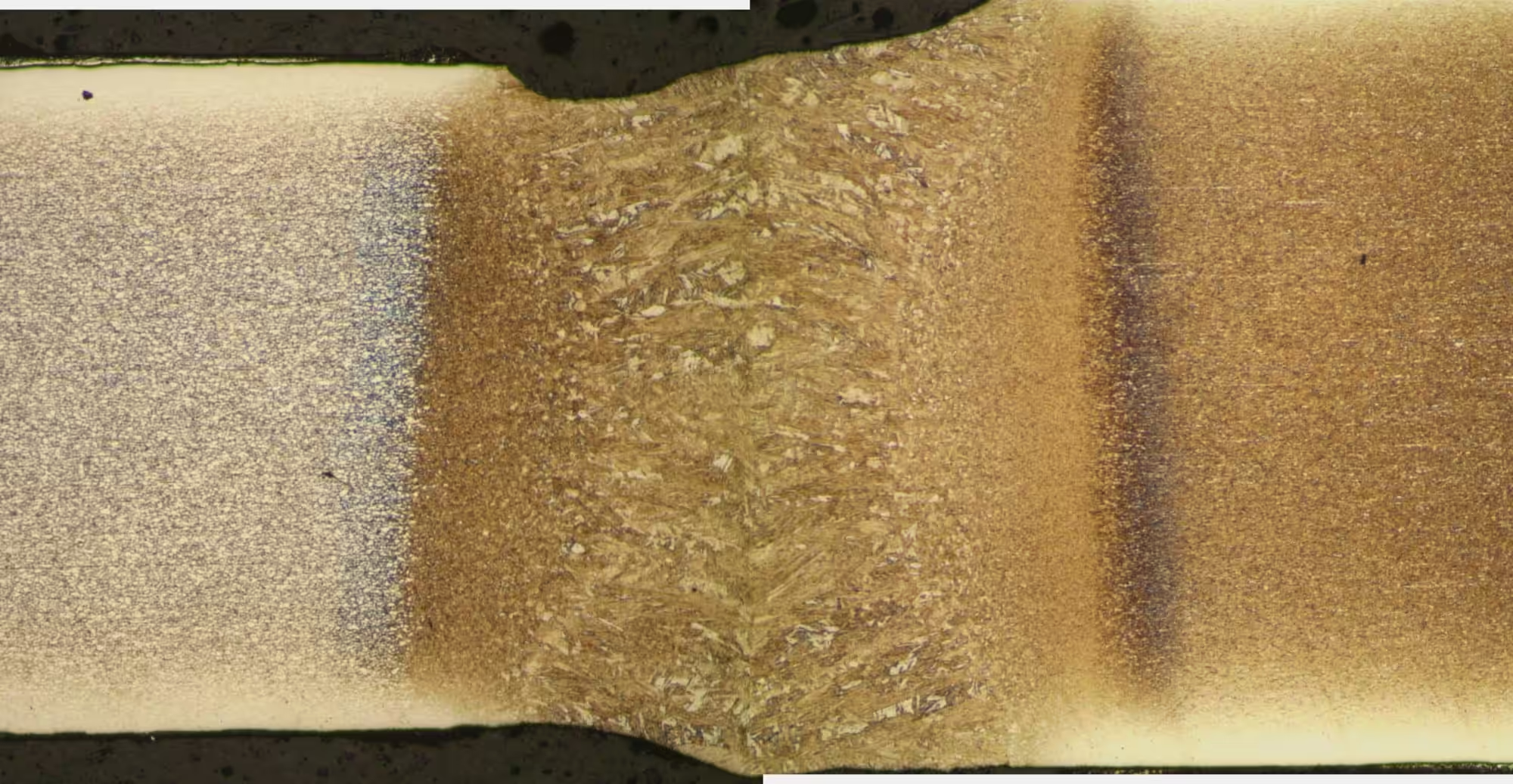
Weld inspection techniques are the backbone of structural reliability in industries where precision and accuracy cannot be derailed. Aerospace, infrastructure, and energy industries demand flawless welds – any defect can result in catastrophic outcomes and gigantic operating losses. Metkon provides specialized sample preparation solutions that ensure accurate weld quality determination via reliable metallographic analysis. Weld […]
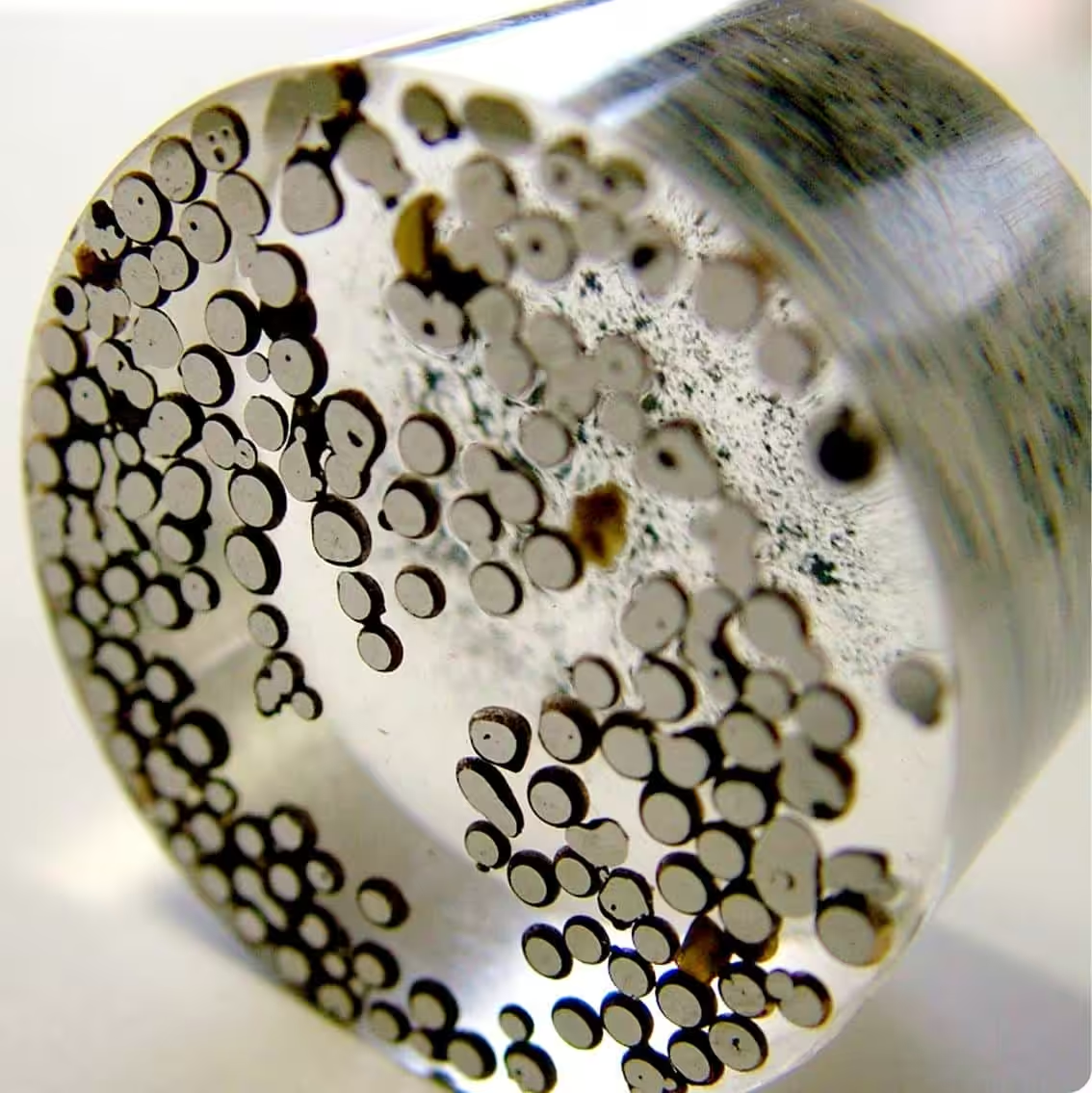
The metallographic cold mounting process represents a critical step in proper sample preparation for materials analysis. Achieving perfect metallographic samples can be challenging, especially with heat-sensitive materials that would otherwise deform or alter under traditional hot mounting methods. We’ve found that mastering cold mounting techniques is essential for preserving the true microstructure of delicate specimens, […]
