

A cross-country pipeline weld doesn’t fit on a lab bench. Neither does a wind turbine tower section sitting sixty meters up, or a wing spar bolted into an aircraft grounded on a hangar floor. Yet the question inspectors ask about all three is the same one they’d ask about a coupon cut in a machine […]

Ask an experienced hardness tester what the hardest part of the job is, and the answer is rarely the test itself. It’s the measurement afterward: squinting through an eyepiece, lining up a filar line against the edge of a Vickers indent, deciding where exactly a diagonal ends when the indent is slightly out of focus […]
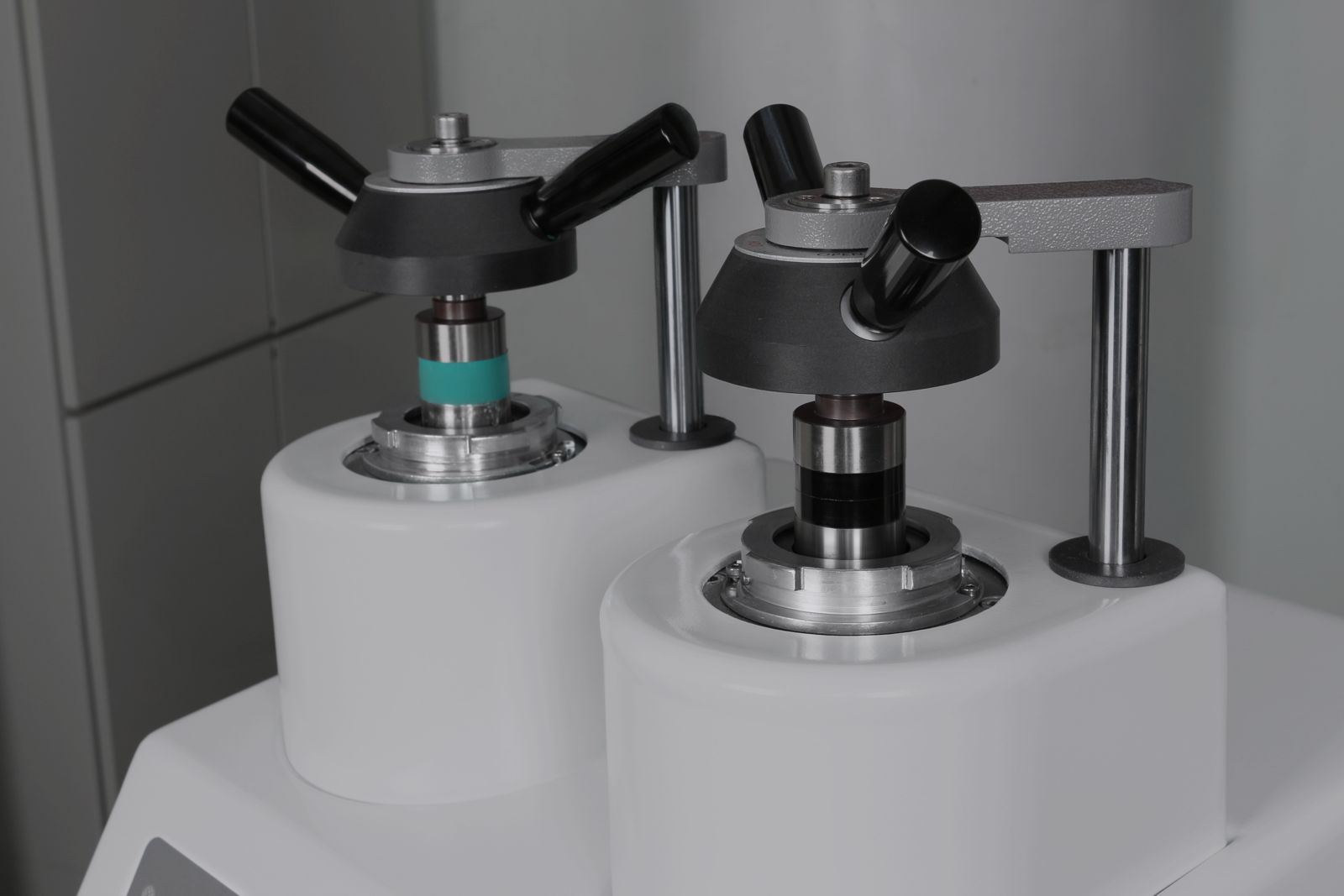
Of all the steps in the metallographic preparation chain, mounting is the one most frequently underestimated. It occupies a few minutes between sectioning and grinding, produces no immediately visible microstructural result, and in many laboratories is treated as a procedural formality rather than a critical quality gate. This perception is a mistake. The quality of […]

Metallography of superalloys requires specialized preparation techniques that standard metallographic preparation techniques cannot achieve. Aerospace components, such as turbine blades, are subject to extreme operating conditions, and analysis of the microstructure of the superalloys used in their construction is entirely dependent on artifact-free preparation techniques. In working with superalloys, you will face unique challenges in […]
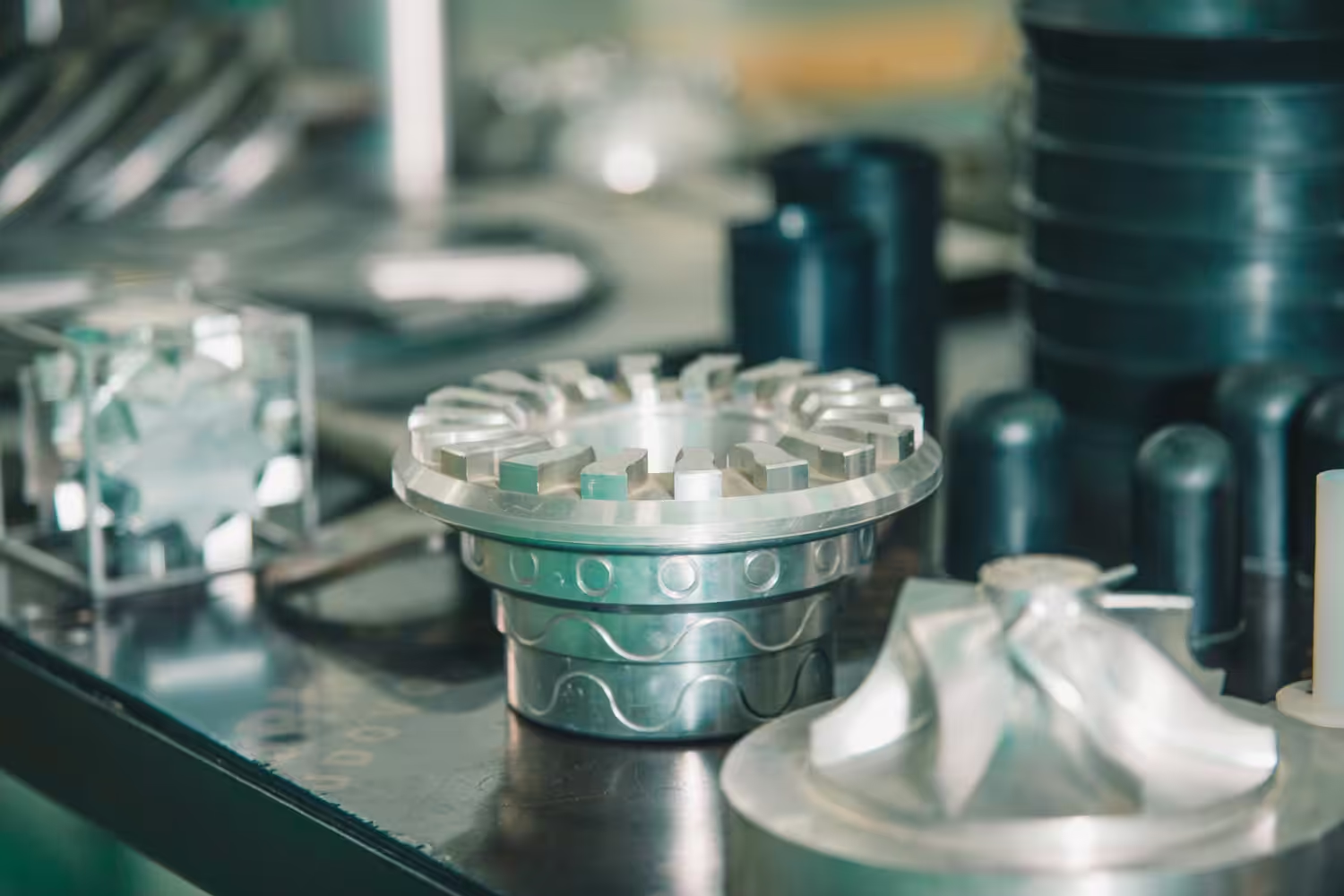
When it comes to sample preparation for additive manufacturing, you need to ensure that you avoid false positives and accurately identify defects. Unlike traditionally manufactured metal parts, 3D printing of metal components involves unique microstructure and inherent porosity characteristics. Thus, it is essential to use appropriate metallography techniques for 3D printing of metal components. This […]
Metallographic sample preparation is the backbone of microstructure examinations and quality assessments in the field of material science. The quality of each step in the metallographic process is a key factor in how clearly you can ‘see’ the true composition of the metal you’re working with. This article will take you through the entire metallographic […]
Aluminum testing presents unique metallographic challenges due to the metal’s soft and ductile nature. The material is prone to deformation-induced damage during preparation and requires specialized techniques to achieve accurate, reliable results. The surface forms a protective oxide layer after preparation, making subsequent etching especially difficult. Proper specimen preparation is essential whether you’re conducting aluminum […]
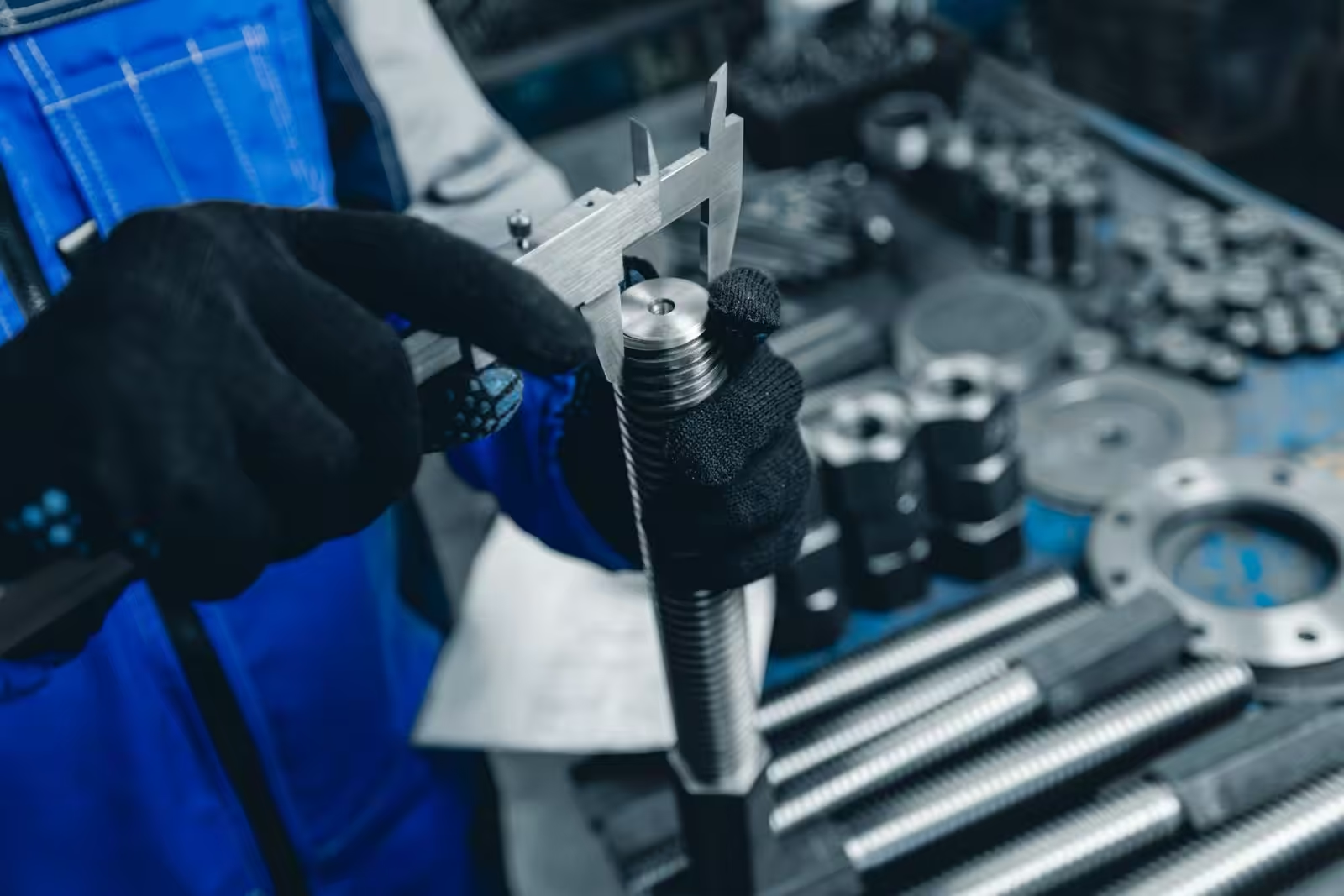
Metallographic preparation serves as a necessary quality control process for fastener manufacturers worldwide. Proper sectioning, mounting, and polishing techniques directly affect the accuracy of microstructure analysis and defect detection. Correct sectioning technique allows cuts close to the center and minimizes subsequent grinding and polishing steps. We will guide you through complete metallographic sample preparation procedures. You’ll […]
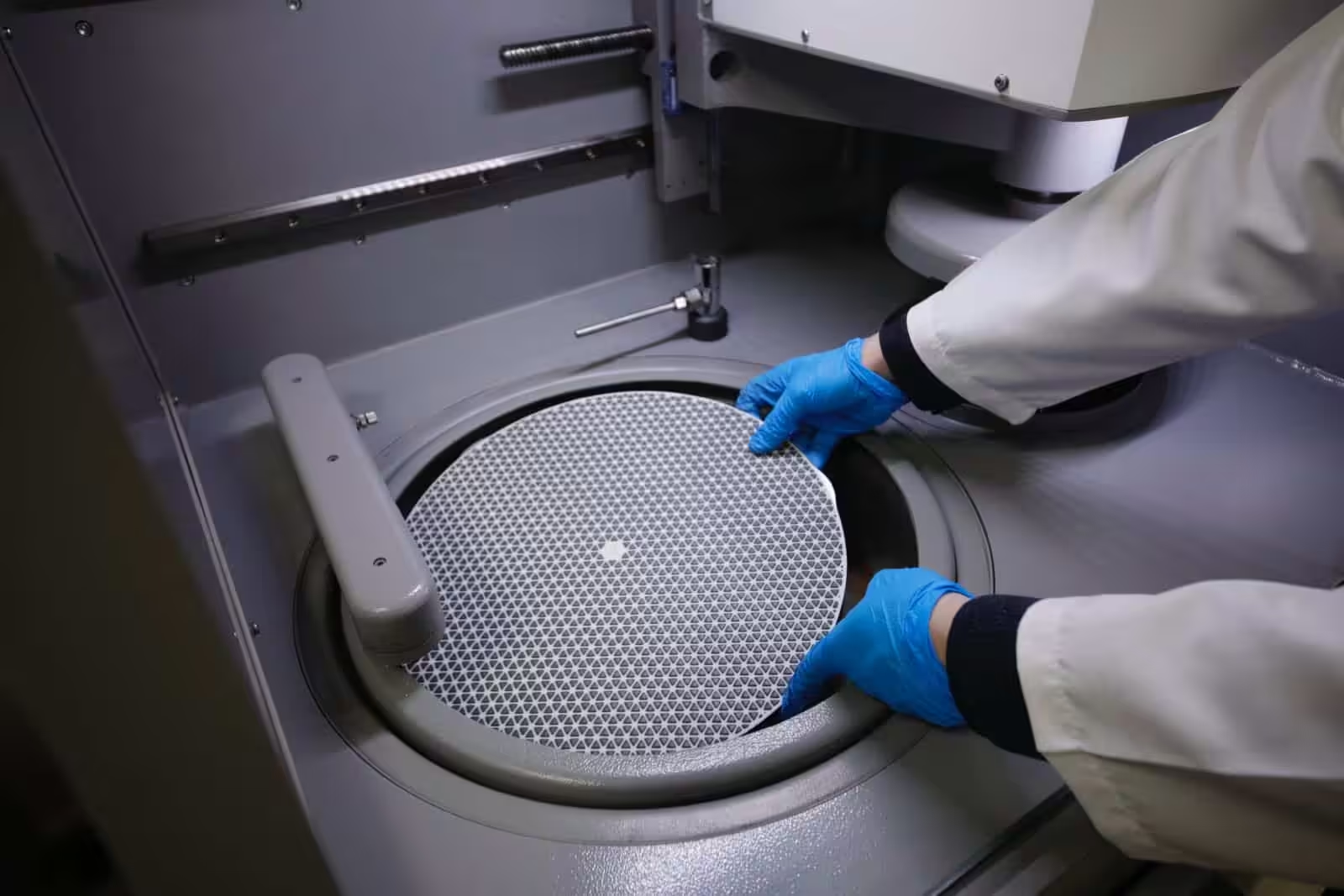
Automated grinders can complete grinding & polishing processes in just 1 to 2 minutes—matching the time needed for three traditional grinding procedures. Your lab’s results depend on knowing what different machines can and cannot do. Our labs use specialized metallographic grinding and polishing equipment. The setup has grinders, polishers, and combined grinder-polishers that work with […]
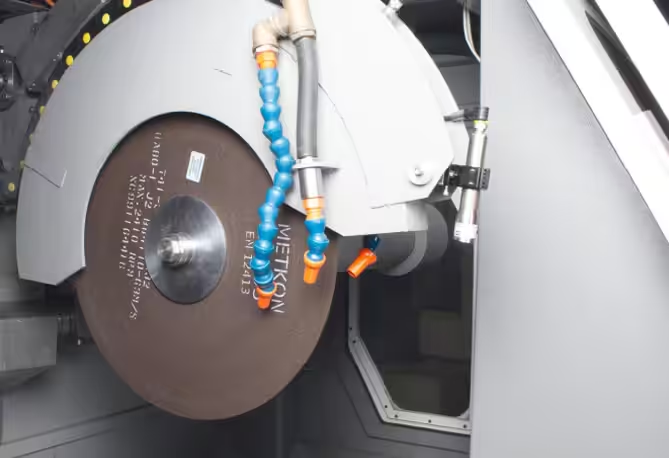
The choice between an abrasive saw and a precision saw can substantially affect your results and budget. Abrasive saws serve as the workhorses of metallurgical sample preparation and stand out for their efficiency and versatility. These powerful tools use cutting wheels that span 10 to 16 inches in diameter. The wheels contain aluminum oxide or […]
