
Aluminum testing presents unique metallographic challenges due to the metal’s soft and ductile nature. The material is prone to deformation-induced damage during preparation and requires specialized techniques to achieve accurate, reliable results. The surface forms a protective oxide layer after preparation, making subsequent etching especially difficult. Proper specimen preparation is essential whether you’re conducting aluminum […]
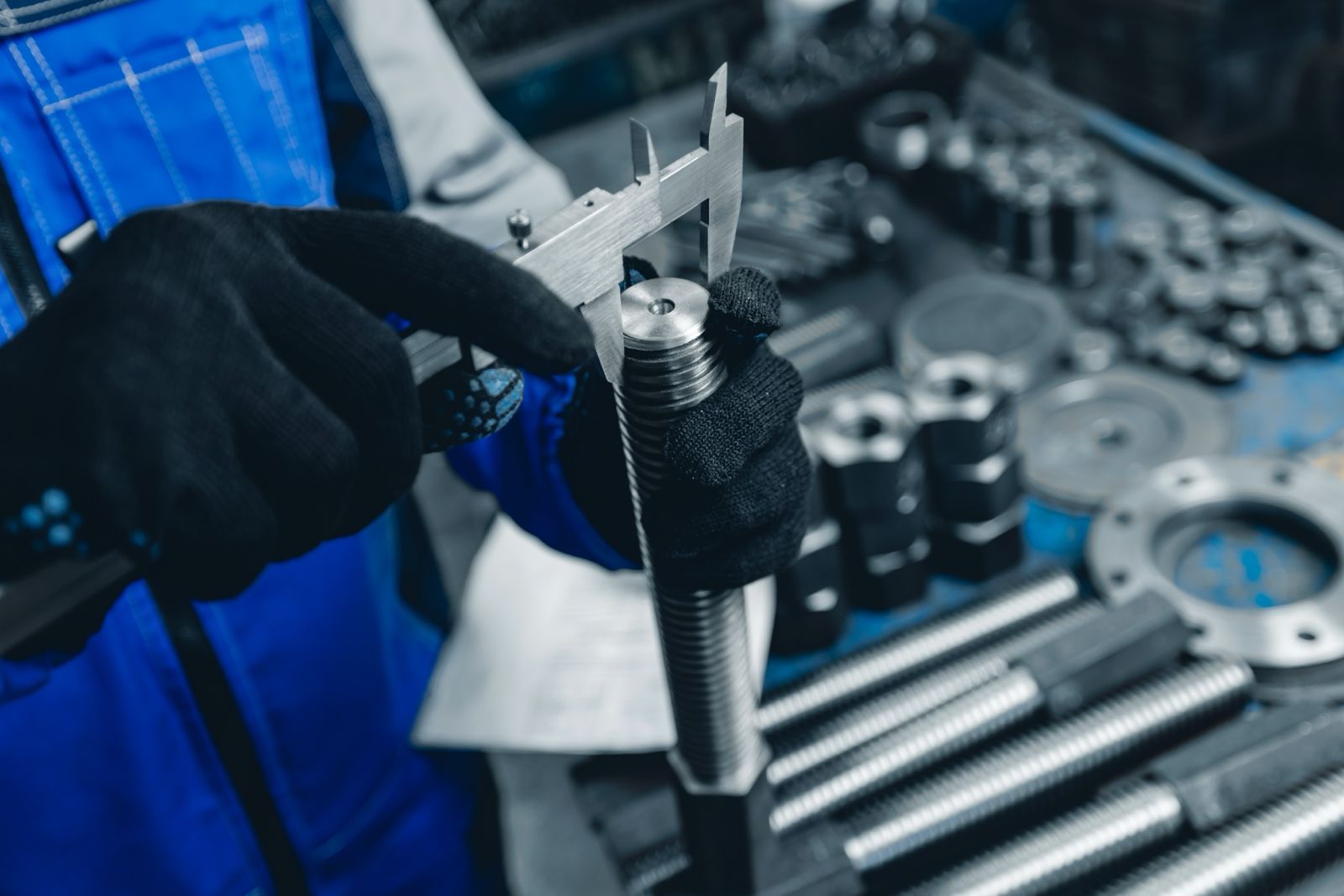
Metallographic preparation serves as a necessary quality control process for fastener manufacturers worldwide. Proper sectioning, mounting, and polishing techniques directly affect the accuracy of microstructure analysis and defect detection. Correct sectioning technique allows cuts close to the center and minimizes subsequent grinding and polishing steps. We will guide you through complete metallographic sample preparation procedures. You’ll […]
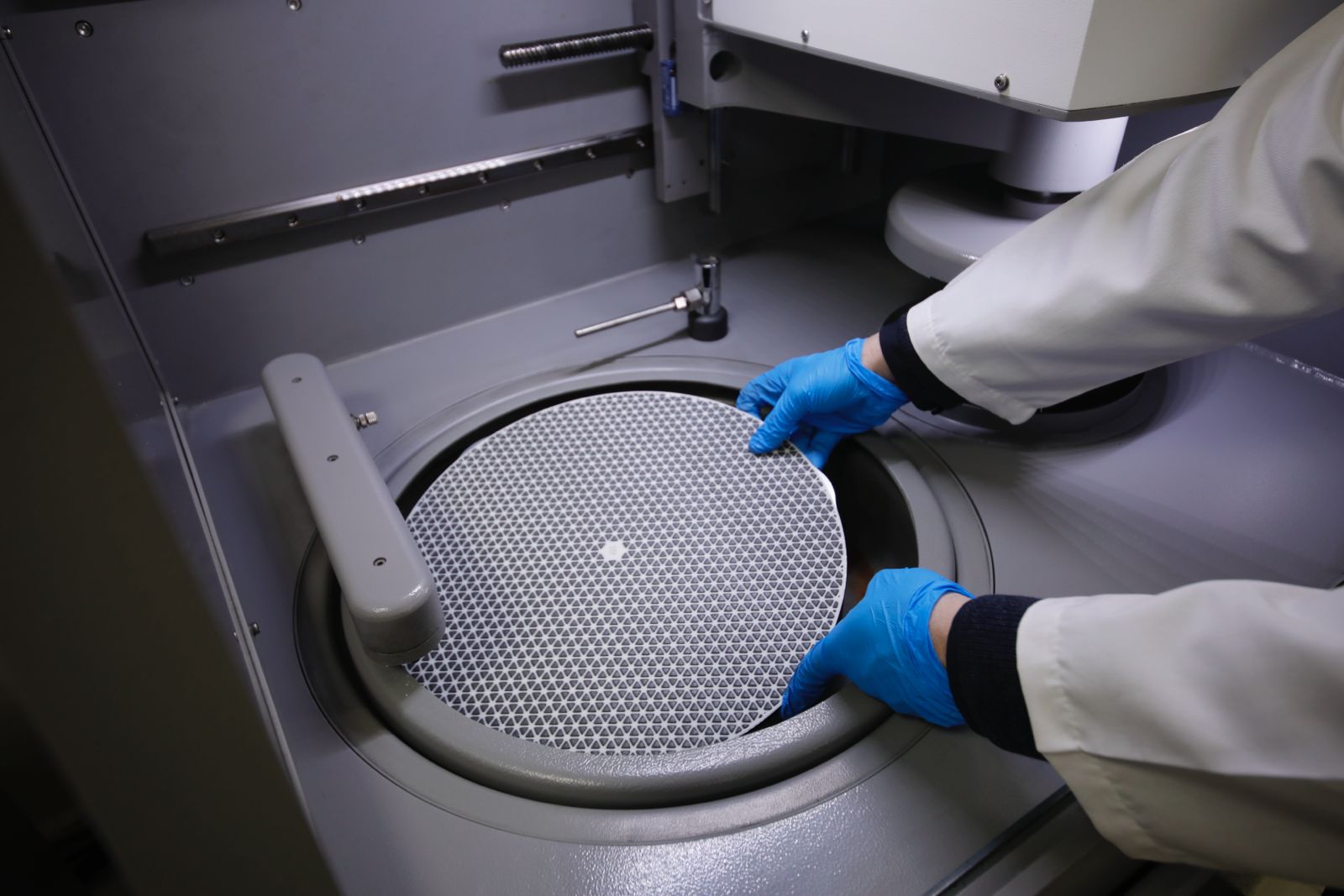
Automated grinders can complete grinding & polishing processes in just 1 to 2 minutes—matching the time needed for three traditional grinding procedures. Your lab’s results depend on knowing what different machines can and cannot do. Our labs use specialized metallographic grinding and polishing equipment. The setup has grinders, polishers, and combined grinder-polishers that work with […]
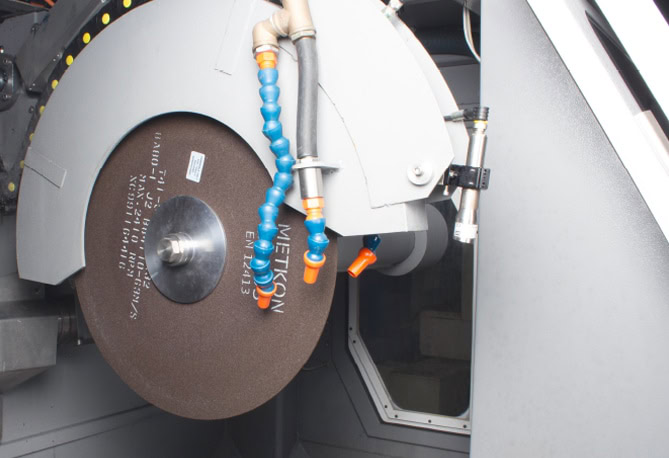
The choice between an abrasive saw and a precision saw can substantially affect your results and budget. Abrasive saws serve as the workhorses of metallurgical sample preparation and stand out for their efficiency and versatility. These powerful tools use cutting wheels that span 10 to 16 inches in diameter. The wheels contain aluminum oxide or […]
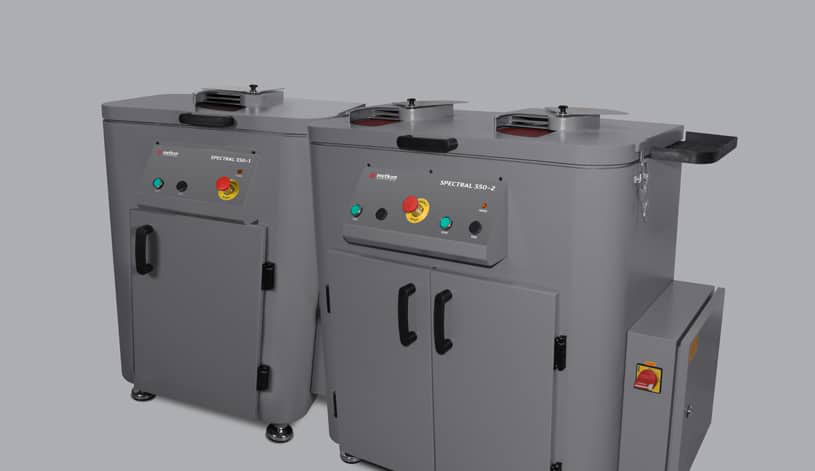
Surface grinding techniques make steel sample preparation perfect for spectroscopic analysis. Materials scientists and quality control specialists know that surface finish quality determines the accuracy of their results. The SPECTRAL250 and SPECTRAL350 are a great way to get high-quality sample preparation that leads to accurate spectroscopic analysis. Surface grinding creates exceptionally flat surfaces on metal samples […]
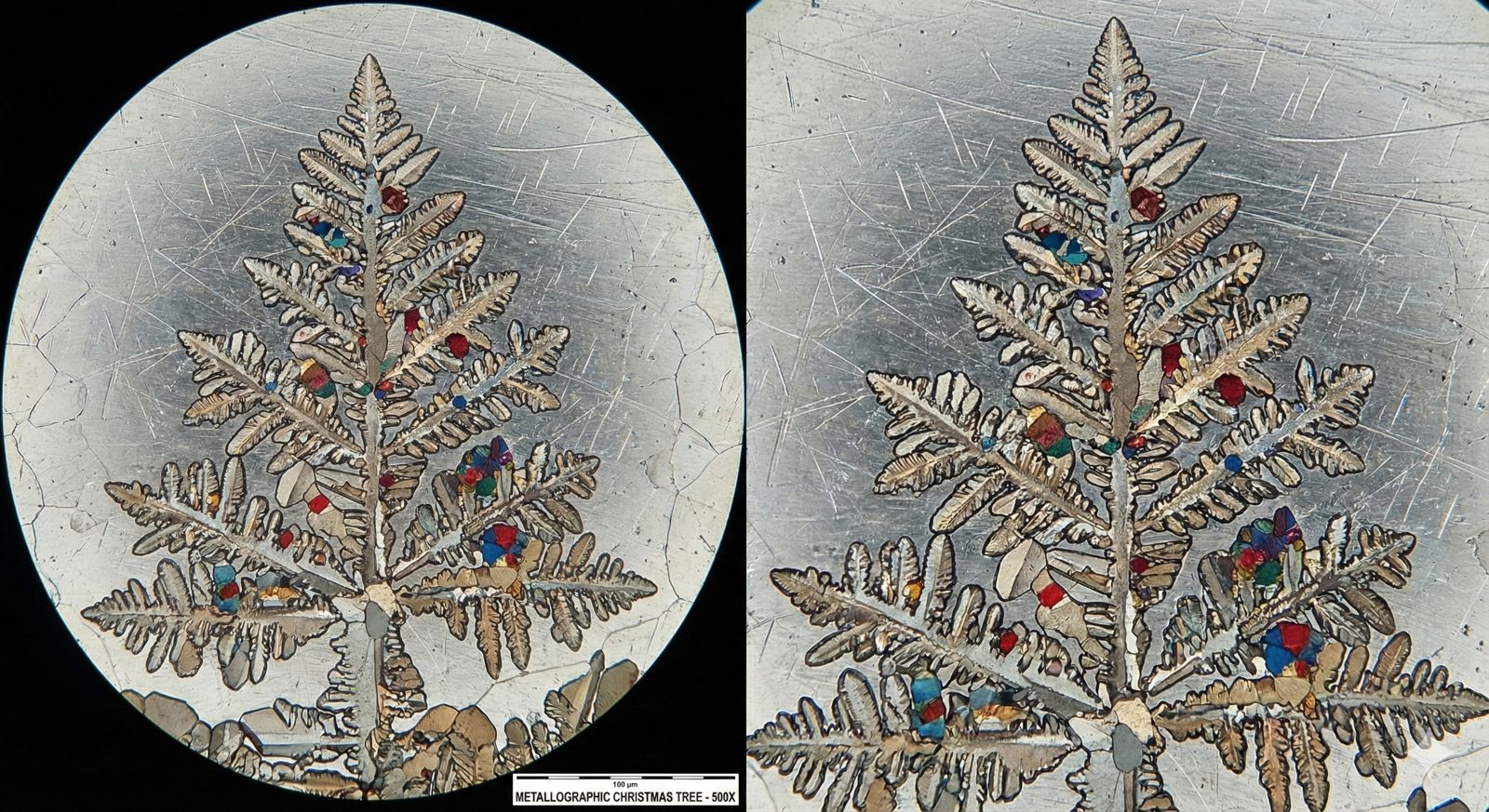
The field of metallography isn’t standing still; it continues to evolve rapidly as industries demand deeper insights into material behavior, microstructural reliability, and failure mechanisms. By 2026, we are seeing technological progress in automation, digital imaging, sample preparation, and data analytics fundamentally reshaping the standards of material characterization. It’s not just about new tools, though; […]

When studying the internal structure of material samples, scientists rely on a mounting press to encase their specimens in a hardened resin, providing them with uniform mounts that shield their specimens and provide a stable foundation for preparation and analysis. These lab devices work by precisely embedding material samples in mounting compounds, in many cases […]
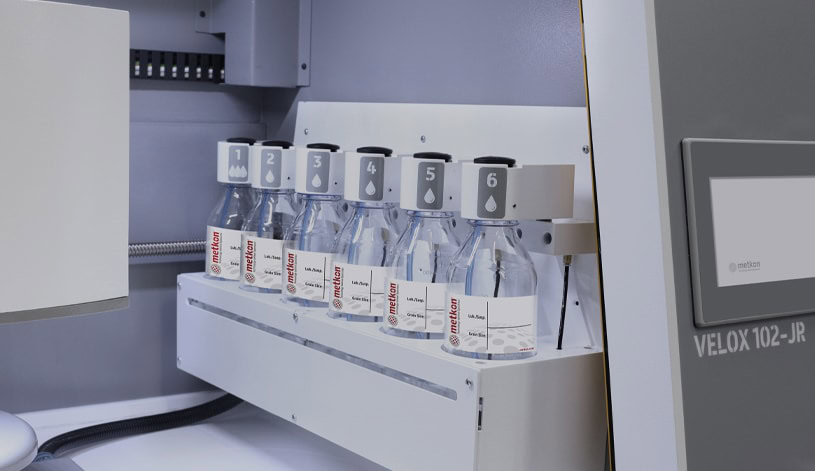
Grinding and polishing are two different but related steps in getting materials ready. Grinding gets rid of surface flaws and makes uneven areas flat. Polishing makes the surface look better by giving it a smooth, shiny gloss. From our workshop experience, we know that to becoming good at both techniques, you need to know what […]
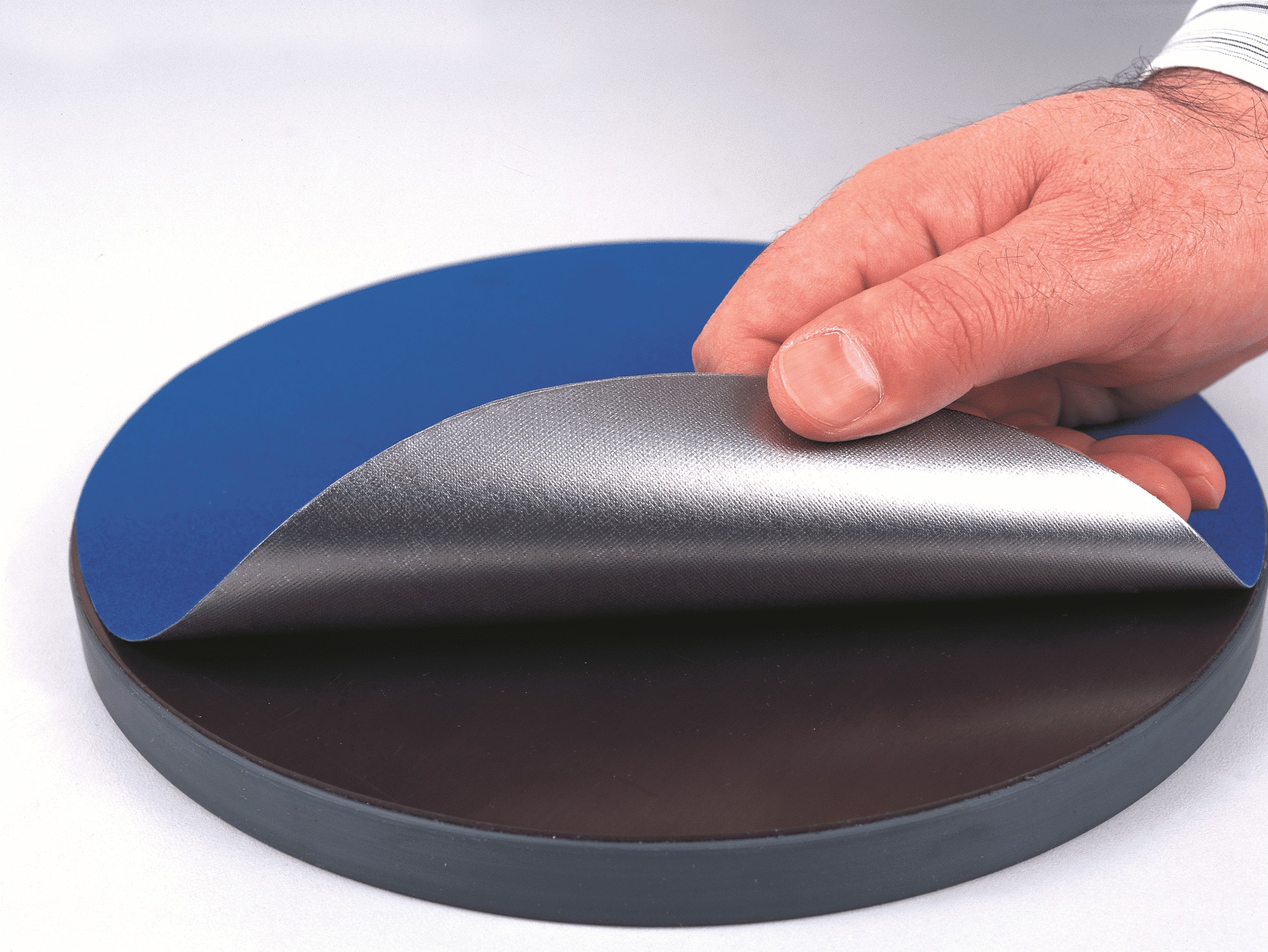
As up to 80% of mistakes can be traced back to bad sample preparation, when preparing metals for analysis the quality of the polishing cloth is basically what makes or breaks the whole process. Here at Metkon, we’ve made it our mission to master the art of metallographic polishing and now offer polishing cloths that […]
In terms of mounting metallographic samples, the introduction of phenolic thermosetting plastics in ’28 completely changed the face of the industry, by giving us a reliable way to encase the specimens, though initially, it wasn’t exactly sophisticated. Coming into the ’50s, castable resins took the industry to new levels, and enabled us to adjust the […]
